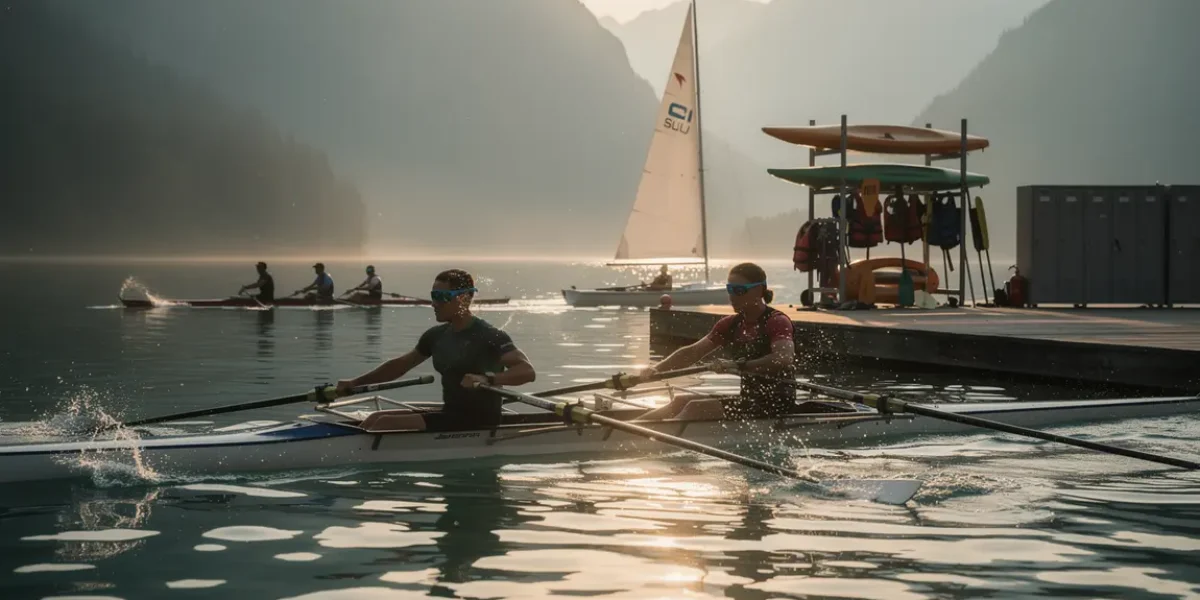
To practice an aquatic sport without sacrificing its sight is a real challenge, whether you are a regular rower, a club coach or simply an amateur of water sports in Rhône-Alpes. Between safety, anticipation of obstacles on the water and comfort to appreciate every exit, the adapted solutions exist and allow to reconcile visual correction and pleasure of the aquatic sport. This guide offers you effective criteria, concrete examples and useful advice, tailored to the expectations of the aviron-rhone-alpes.org community, so that the question of vision no longer hinders your desire for water.
Contents
Visual challenges encountered during nautical activities
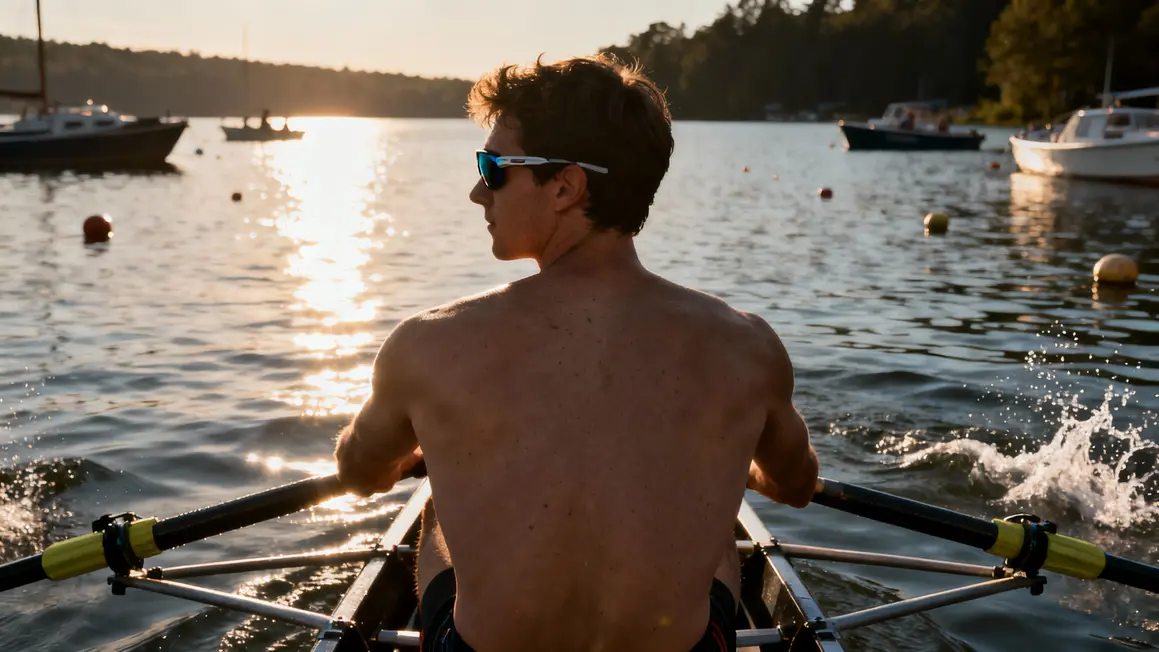
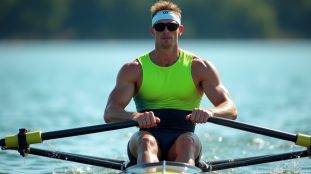
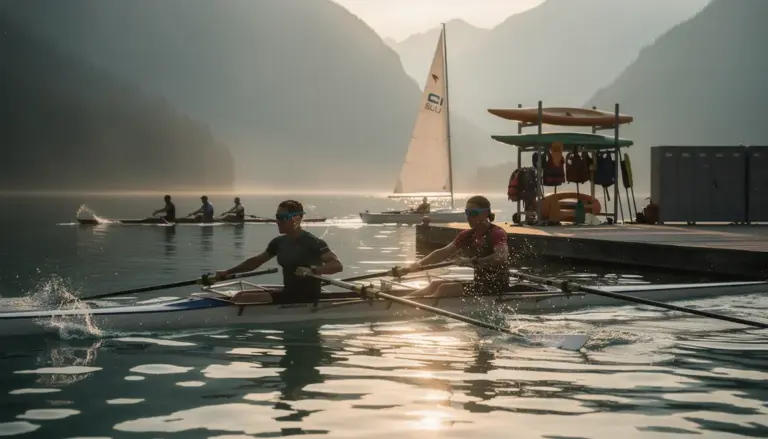
On the water, maintaining a good vision is often a hindrance, especially for wearers of traditional glasses. Between powerful reflections of the sun, the instability of light, water projections and permanent movements, the management of its optical correction becomes a safety issue. For example, during a regatta on the lake, losing your glasses in full effort can compromise not only performance but also vigilance against other rowers or obstacles.
Some disciplines, such as rowing or sailing, require constant anticipation. Navigating or manoeuvring without precise correction greatly increases the risk of error and accident, both for oneself and for the crew. Without suitable solutions, many practitioners give up their optical correction, to the detriment of their comfort and safety.
Why prefer glasses suitable for water sports?
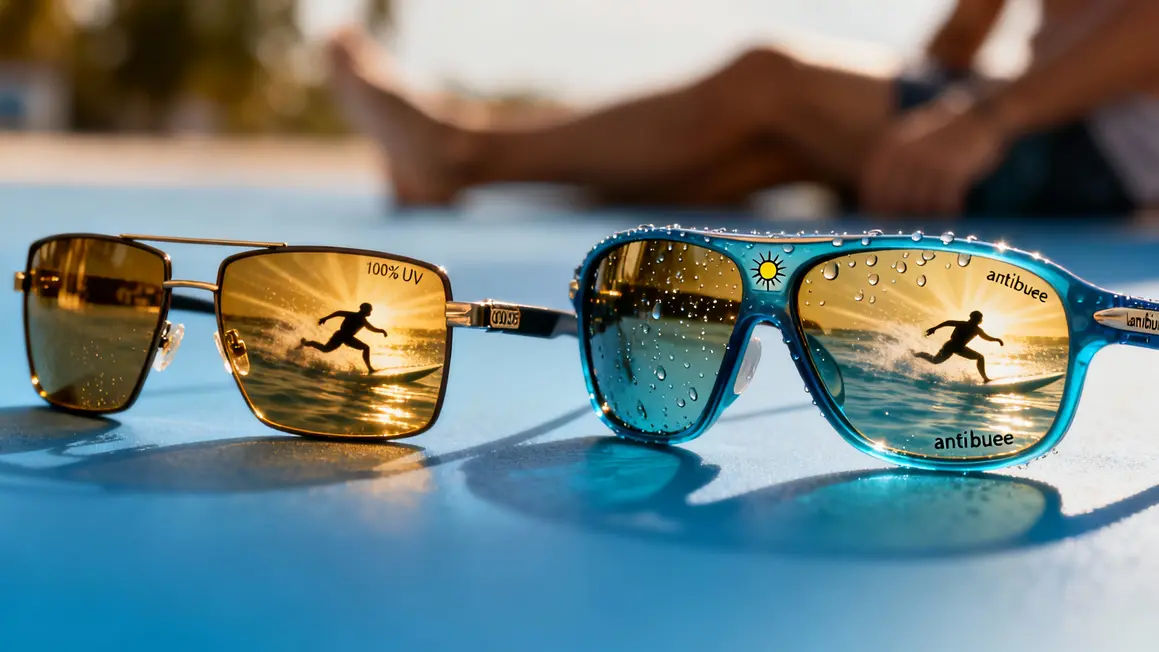
The Special water glasses They not only provide reliable correction, but also protection against UV rays, reverberation, and risk of loss. On very exposed waters, such as Leman or Bourget, the Polarized lenses improve water level reading, limit eye fatigue and support crew performance.
- Visual clarity at any time, regardless of movement or weather.
- Stability and maintenance even during sudden gestures.
- Decreased risk of glare and eye fatigue.
- Enhanced protection facing shocks, water, wind and sunlight.
There are many examples at the edge of the basins: a Lyon rower evoked during a race the difference felt as soon as hydrophobic glasses were adopted, in particular to keep a concentration intact in the rain or during steering changes.
What are the criteria for choosing your pair?
- Total UV protection : essential for any outdoor practice.
- Polarizing glass: essential on highly reflective water surfaces.
- Anti-fog treatment: an asset during prolonged effort or temperature change.
- Curved and enveloping frame: maximizes stability and blocks the lateral wind.
- Hydrophobic surface: promotes water flow and limits visual discomfort.
- Custom fit: ergonomic branches or floating cord depending on the sport.
| Criteria | Advantage | Examples of use |
|---|---|---|
| UV protection | Preservation of eye health | Sailing, rowing, paddle |
| Polarizing glass | Reduction of annoying reflections | Lake competition, fishing |
| Anti-fog | Stable vision even with effort | Swimming, training at all times |
| Curved frame | Better hold during movements | Kayak, water skiing, rowing |
| Hydrophob | Limit water stagnation on glasses | Kitesurf, sail, intense exits |
| Optimal adjustment | Increased comfort and security | All water sports, multi-discipline |
Choose by type of aquatic activity
- For the swimming : waterproof corrective glasses or custom masks.
- In sailing, rowing or water skiing : opt for wrapping frames and hydrophobic lenses.
- In kitesurf and paddle : compulsory floating cord, scratch-resistant surface and reinforced hold.
- For the fishing : polarized lenses and shade modulable according to light.
Contact lenses: alternatives and precautions
Some rowers or framers opt for daily lenseseasy to replace after each session. This solution reduces the risk of infections, provided that waterproof protective glasses surface. For any practice in a group or in a natural environment, it remains recommended to rinse your eyes well in case of contact with water, and avoid this choice in deep diving.
- Change lenses after each use.
- Prefer moisturizing models to limit discomfort by wind or spray.
- Avoid diving without a suitable correcting mask.
Maintenance and monitoring: preserving performance over time
Keeping your glasses in good condition starts with a Clear water rinse after the activity and drying in sun shelter. A rigid case protects the frame during transport. Microfibre passages rather than clothes prevent scratches. To maintain an anti-fog effect, prefer a dedicated spray without rubbing inside the glass. Regular check of attachments and junctions avoids bad surprises during the most active outputs. In case of signs of wear, it is better to anticipate renewal in order to maintain optimal comfort.
To combine visual comfort and safety during your boat trips, discover the essential accessories to optimize your rowing practice.
To complete your equipment and fully enjoy your outings on the water, discover the aviron accessories ideal for optimal practice.
To immortalize your performance while enjoying an optimal visual experience, discover our comprehensive guide on sport and water camera: comparative 2024 and concrete advice.
FAQ: The most common questions about aquatic practice and vision
- Is the drink preventable? Yes, thanks to anti-fog treatment and precise fit on the mount.
- Can one pair be used for multiple sports? This is possible if the mount is versatile, but swimming usually requires a separate waterproof model.
- Are polarized lenses suitable for all uses? Particularly efficient in fishing and sailing, they offer a clear improvement in visual comfort on the water.
- Which shade to choose for your glasses? Adapt it according to the intensity of light and the place of practice: brown in fresh water, grey for a high exposure in full sun.
- How to ensure good UV protection? By checking certification and compliance with European standards, or by consulting a specialist optician.
Where to find suitable glasses in the area?
- Local opticians offering personalized testing and expertise for morphological adjustment.
- Sports shops specializing in rowing and water sports in the territory.
- Consultation of experiences with local clubs and associations.
- Online sales sites with customization options and adapted return service.
Additional resources: French Federation of Aviron, National Drug Safety Agency, specialist manufacturers' guides. Last audit of recommendations: April 2024.
Mastering the challenges of vision in the practice of water sports is no longer fatal thanks to the many adapted solutions: corrective glasses, polarizing models and single-use lenses for each discipline. Taking the time to choose the equipment that suits you, maintaining it and staying attentive to technical developments can make the difference between frustrating output and pleasure of every moment. What are your personal feedback or tips to reconcile correction and water passion? Tell us your advice or questions in the comments! If this article has been helpful, don't hesitate to share it with other athletes or members of your club. On which other topics related to rowing and local sports do you want more practical resources?
Sources: French Federation of Aviron, ANSM, optician expertise.
Updated on 21 March 2026