To progress in the row is also to make the right choices to equip. Club practitioners and coaches in Rhône-Alpes know that suitable, reliable and durable equipment makes the difference every day: safety, comfort, performance, but also regular training all year round. This guide offers a precise overview of the equipment to be preferred, adapted to each level and to the reality of the local terrain.
Contents
Why should we equip ourselves to advance in the row?
Choosing suitable equipment directly influences your progress, comfort and safety at each exit. Raming with well thought out material improves the technique, while preserving energy and promoting regular practice. The clubs in the region testify: a precise boat or technical clothes help avoid recurrent injuries and maintain commitment, even on the demanding water bodies of the territory.
Over the seasons, some Rhône-Alpes practitioners share that an indoor rower helps them to maintain their level during the harsh winters, while others stress the need for a well-fitted safety vest on windy lakes or the Saône. Between regular maintenance and renewal of the accessories, the durability of the equipment imposes itself as a true marker of experience: less surprises, more pleasure.
Different types of boats and how to choose according to your objectives
The choice of boat depends on your objectives, the level of practice and the local context:
- Skiff: privileged by solo rowers wanting to gain in technique and maneuverability. Recommended on calm water.
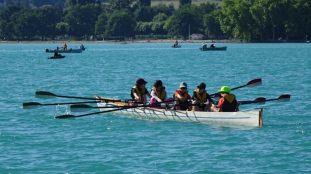
- Two torques: values endurance and synchronization, ideal for advancing a pair on the Rhône or in an associative club.
- Eight pairs: reserved for competition and welded teams: stable, fast, mobilizes the coordination and strength of the collective.
| Vessel | Key benefits | Limitations | Price range |
|---|---|---|---|
| Skiff | Manability, precise technical work | Less stable, individual use | 1,500 to 2,500 € |
| Two of torque | Stability, team dynamics | Request for coordination, space | 3,000 to 4,500 € |
| Eight couples | Power, high level stability | Large, high cost | 8,000 to 15,000 € |
The experience of several local club rowers confirms this: it is better to test different models with the help of a coach, especially if you want to progress at your own pace. Adapting the boat according to the weather, wind and training surface remains a terrain approach that reduces disappointments and promotes safety.
Technical clothing to improve comfort and performance
Dressing plays a key role in navigating all seasons on regional rivers or lakes. The choice of technical brewer, of breathable tights or thermal combination contributes to thermal regulation, friction prevention and optimal muscle maintenance. Several experienced members insist: a garment tested in a sitting position and during the typical gestures of rowing guarantees lasting comfort.
- Sport brass or tights: holding, removing sweat, practical pockets; count around 30 €.
- Long/thermal combination: suitable for low temperatures, fabric like Thermolite; budget 59-79 €.
- Boat shoes: maintenance and moisture resistance; test with the socks designed to avoid discomfort.
Tip: specializes in materials such as technical polyesters or elastane, which are known for their club durability and adaptability to local climates.
The importance of off-water training equipment
Maintaining form and technique outside of water bodies promotes continuous progression. The clubs of Rhône-Alpes often call on:
- Inside rower: to keep the gains, improve endurance and technical gesture; models with popular Watt display or connectivity.
- Kettlebells, dumbbells, resistance bands: to muscle legs, back, shoulders.
- Traction bar: reinforcement of the upper body, adjustable according to level.
This material, used several times a week with a coach or solo, allows a real continuity between physical preparation and boating practice.
The essential accessories to navigate safely and optimize the practice
- Polarized glassesUV protection, reduction of reflections. Example: on Lake Annecy, several rowers report a real gain in comfort on sunny days.
- Safety vestmust provide protection and freedom. To be preferred for trips on risk or collective routes.
- Gloves and protective bands: useful for long sessions or beginners.
- Solid attachments and holdsRegular inspection and maintenance to avoid interruptions or incidents.
The maintenance of the accessories, via fresh water rinse and adapted storage, remains a shared recommendation by all local clubs to preserve their durability.
How to maintain equipment to extend life
- Boat: rinse after each session, monthly verification of sensitive parts, storage sheltered from the weather.
- Technical clothing: cold washing, flat drying, occasional spraying treatment for jackets.
- Inside rowing machine: cleaning and regular lubrication according to the manufacturer's instructions.
- Accessories: storage in suitable spaces, regular washing.
The following equipment avoids unforeseen costs and guarantees a serene and sustainable practice, even for clubs that host many new rowers each year.
What budget to plan according to its level in row
| Level | Vessel | Clothing | Inside rower | Overall budget |
|---|---|---|---|---|
| Beginner/leisure | Included club or occasion | 80 to 150 € | 300 to 400 € | 300 to 2 000 € |
| Intermediate | 2,500 to 4,000 € | 200 to 300 € | 1,000 to 1,500 € | 2,000 to 6,000 € |
| Competition | 6,000 to 15,000 € | 400-600 € | 1,500 to 3,000 € | 6,000 to 20,000 € |
The essential: first invest in the equipment really suited to your use and test in a club, with the accompaniment of an experienced manager or rower, to avoid costly mistakes.
Responses to frequently asked questions about rowing equipment
- Start: stable skiff, learning trains, versatile clothing, club shoes.
- Technical clothing: essential for comfort, evacuation of sweat and prevention of friction.
- Maintenance: rinse, check, shelter storage, gentle washing.
- Nine or occasion: start with used equipment, then evolve to new when engagement becomes regular.
- Life: several years with good maintenance, replacement according to wear.
Complete checklist to remember nothing in your equipment purchases
- Verified vessel (adapted to water level and body)
- Rames to morphology
- Boat or integrated footwear
- Combination and technical clothing according to season
- Glasses and gloves
- Inside rowing machine, traction bar, strength-building accessories
- Safety vest, attachments, repair kit
- Maintenance products, storage support
This checklist facilitates purchases and ensures a safe and sustainable practice, whether in a club or for autonomous trips.
To improve your comfort and performance in rowing, discover our tips on appropriate and efficient outfits to be preferred.
Before choosing your material, discover the specifics of theRiver or Seaviron: Which Sport Choose and Why? to adapt your equipment to your practice in Rhône-Alpes.
To improve your practice safely, discover the 9 essential accessories to optimize comfort and safety and enjoy your sessions in Rhône-Alpes.
Investing in suitable equipment, testing in the field and maintaining its equipment over the seasons are keys to progress calmly in the regional row. The field advice shared by clubs and practitioners makes it easier to choose: each item, accessory or practical responds to a concrete use in the Rhône-Alpes, while enhancing safety and motivation.
What equipment really changed your practice? Share your experience in commenting and exchanging with the regional community! You can also share this article to guide other rowers in their choice of equipment and strengthen the local dynamics around rowing.
If you want to deepen the specifics of technical equipment or compare the safety rules per water body, indicate it in comment. Federal resources such as the French Federation ofviron or the recommendations of the Auvergne-Rhône-Alpes Region remain reliable references to prolong your reflection.
It's up to you to play to make your next outings easier!
Article written on 14/10/2025 by Marie F.
Pratician, club coach and regional training facilitator in Rhône-Alpes, engaged since 2012.
Sources: Fédération Française d'Aviron, Région Auvergne-Rhône-Alpes, returns from local clubs.
Updated on 21 March 2026