LAviron, Olympic and Millennium Sport, offers several fascinating disciplines. Among them, river rowing and sea rowing are distinguished by their unique characteristics. Whether you are a novice or a seasoned rower, understanding the differences between these two practices will help you choose the one that fits your expectations and your environment. Let us enter the captivating world of these two disciplines to explore their respective specificities and strengths.
Contents
River or sea oar: what fundamental differences
Understanding the differences between river and sea rowing is essential to choosing the discipline that suits you. Each environment brings its own challenges and benefits.
Separate frameworks of practice
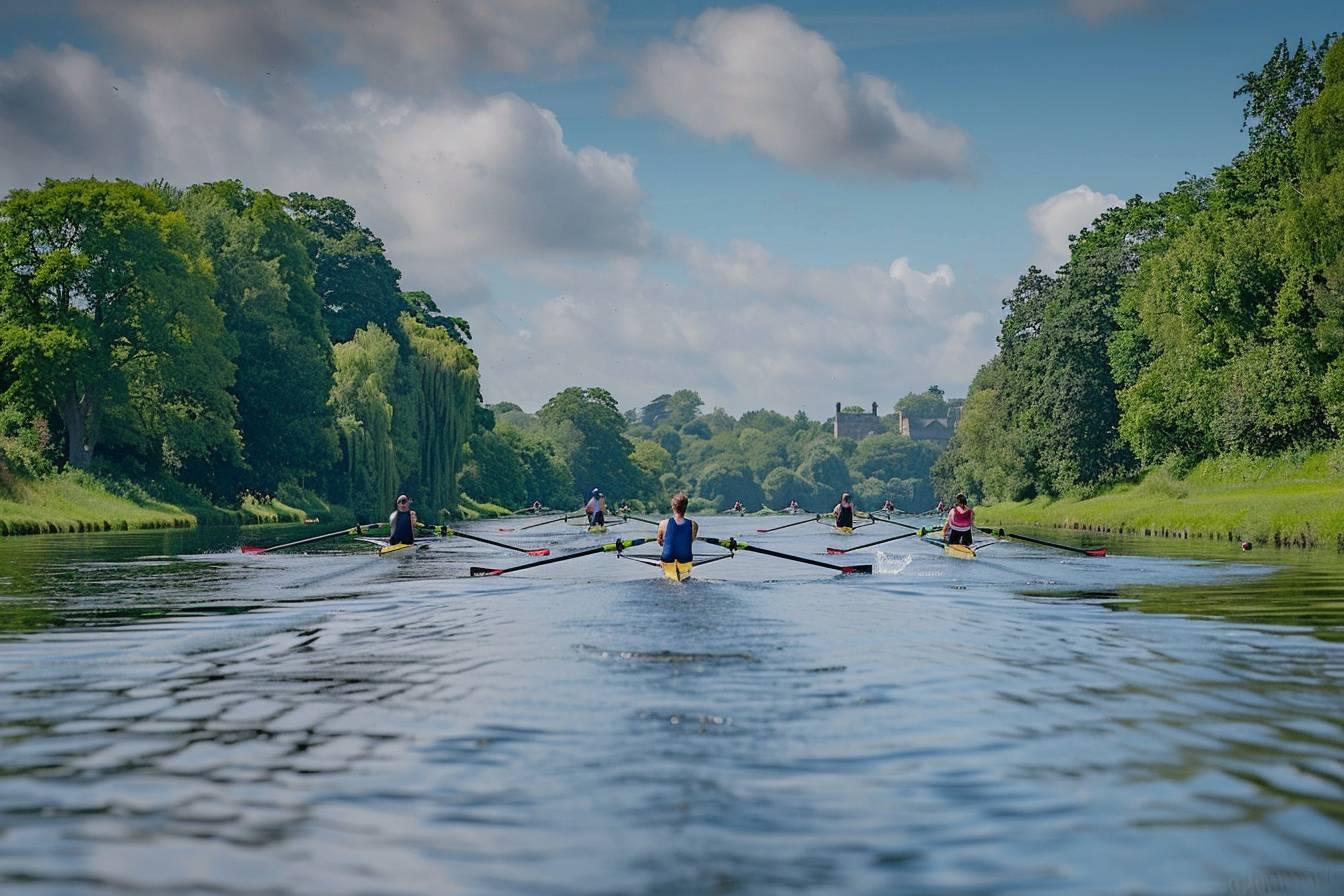
LRiver row is practiced on inland waters such as lakes and rivers, offering more stable and ideal conditions for technical learning. On the other hand, the sea rowing takes place in more unpredictable environments like the ocean, requiring constant adaptation.
Influence on boats
River boats are lighter and narrower for better speed, but less stable. Conversely, seagoing vessels are heavier and wider, offering better stability in maritime conditions.
Navigational conditions and safety
Sea rowing involves controlling currents, tides and winds, as well as a thorough knowledge of maritime safety rules. In the river, navigation requirements are lower, but safety rules specific to inland waters are required.
Vessels adapted to each discipline

Choosing the right type of boat is crucial to optimize your rowing experience, whether for the height of your boat or the stability required at sea.
Types of vessels in the river row
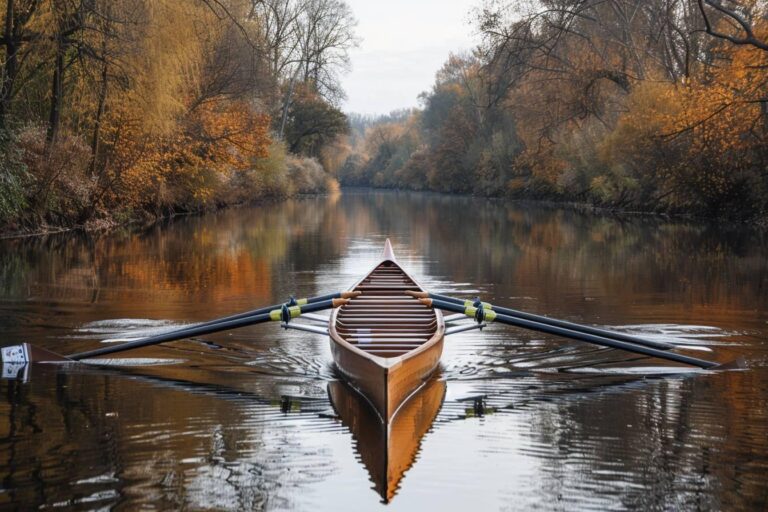
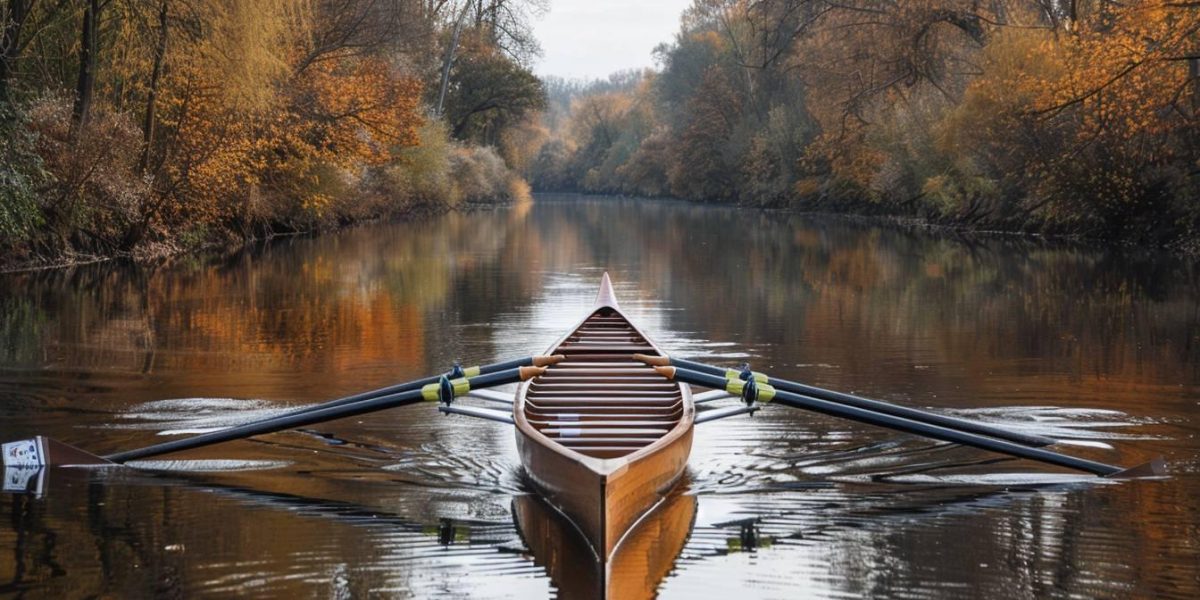
River boats, such as skiff, double cull and four yolets, are designed for speed and manoeuvrability on calm waters.
Robust maritime boats
Seagoing boats, such as the solo sea and the four sea, are built to withstand difficult maritime conditions, offering greater stability thanks to heavier materials.
Comparison of boats
| Characteristics | River oar | Sea oar |
|---|---|---|
| Length | Longer | Shorter |
| Width | Close | Large |
| Weight | Light | Heavy |
| Stability | Less stable | More stable |
| Speed | Faster | Slower |
Specific train techniques
Ram techniques vary considerably between the river and the sea, influencing how you use your rams and adjusting your body to navigate effectively in each type of water.
River rowing techniques
In the river, the technique focuses on balance and coordination. The train phases, such as the thrust and transition phase, are crucial to maintaining the vessel's stability on calm waters.
Sea rowing techniques
The rowing at sea requires constant adaptation to waves and currents. Rowers must use their legs to stabilize the vessel and constantly adjust their posture to navigate in variable conditions.
Comparison of techniques
| Criteria | River Ram | Rame at sea |
|---|---|---|
| Support phase | Stability and strength | Wave adaptation |
| Replacement phase | Coordination and pace | Posture and balance |
| Use of legs | Less intense | Very important |
Safety and regulation
Safety is essential in the practice of rowing, whether in the river or at sea. Safety rules and regulations vary considerably between these two environments.
In order to start well in the row, it is essential to control the technical bases, position and equipment adapted.
River row safety
River safety rules include the use of lifejackets, respect for navigational zones, and the learning of water exit techniques in the event of capsizing.
Sea row safety
At sea, safety requires knowledge of navigation, weather preparedness, and advanced safety equipment such as VHF radios and charts.
Comparison of regulations
| Criteria | River safety | Safety at sea |
|---|---|---|
| Life jacket | Mandatory | Mandatory |
| Knowledge of currents | Not required | Essential |
| Safety equipment | Basic | Advanced |
| Environmental discovery | Less critical | Crucial |
Initiation and progression in each discipline
Start on a river row
Start with the sea oar
Comparative table of initiation programmes
| Criteria | River oar | Sea oar |
|---|---|---|
| Recommended age | Water stability | High |
| Low | Knowledge requirements | Basic Technique |
| Navigation and safety | Progress | Gradual |
| Quick | It offers a variety of practices ranging from leisure to competition, both in the river and at sea. Let's explore these different facets to see what suits you best. |
Various practices: from leisure to competition
Online race
Leisure and river hiking
Leisure and adventure at sea
River and sea row competition
| Navigation collaboration | River oar | Sea oar |
|---|---|---|
| Long distance | The recommended age to begin river rowing is 10-12 years, while for sea rowing it is preferable to start from 12-15 years old due to additional safety and navigation requirements. | |
| River craft are lighter and faster but less stable. In comparison, seagoing vessels are heavier and stable, designed to cope with difficult maritime conditions. | The recommended age to begin river rowing is 10-12 years, while for sea rowing it is preferable to start from 12-15 years old due to additional safety and navigation requirements. | |
| The recommended age to begin river rowing is 10-12 years, while for sea rowing it is preferable to start from 12-15 years old due to additional safety and navigation requirements. | ||
| Distance longue |
FAQ: answers to frequently asked questions
How old are you to start rowing?
L’âge recommandé pour commencer l’aviron de rivière est de 10-12 ans, tandis que pour l’aviron de mer, il est préférable de débuter à partir de 12-15 ans en raison des exigences supplémentaires en matière de sécurité et de navigation.
What are the main differences between the boats?
Les embarcations de rivière sont plus légères et rapides mais moins stables. En comparaison, les bateaux de mer sont plus lourds et stables, conçus pour affronter des conditions maritimes difficiles.
How to ensure its safety at sea?
Updated on 21 March 2026