When you practice rowing or any nautical activity, the issue of safety naturally comes to the forefront, especially in the face of the cost or availability of equipment. Ask yourself if it is possible to make an intriguing artisanal lifejacket: is it possible and really safe? This overview is intended for all practitioners, mentors or parents of the Rhône-Alpes who wish to assess the risks and better understand the stakes of such a choice for local practice.
Contents
Regulations of lifejackets and their importance
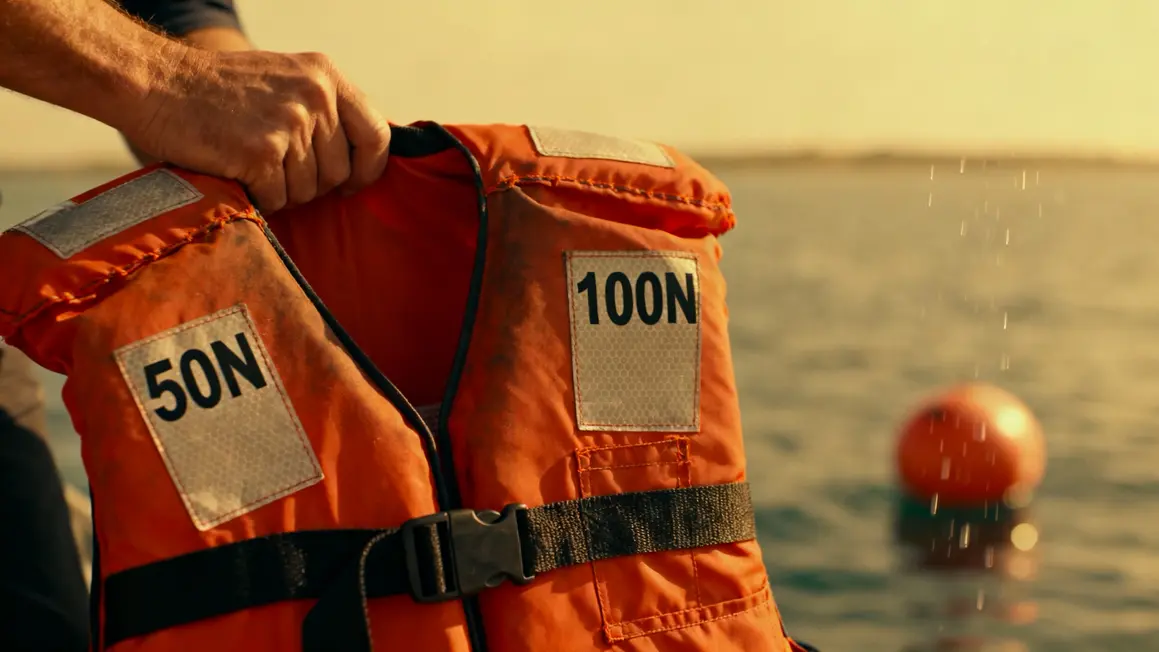
Lifejackets are subject to strict standards to ensure optimal protection in case of accident or capsizing. These regulations are based on decades of field analysis, real accidents and feedback from boating safety authorities. Among them, ISO 12402 sets different levels of buoyancy (50N, 100N, etc.) to adapt the vest to practice (quiet water, turbulent water, sports and children). The CE-certified vests are then tested in real-life conditions, which guarantees their strength and strength. ability to keep head out of water and their visibility for rescue.
The absence of certification poses major risks: poor weight distribution, uncertain buoyancy or rapid degradation of equipment by water and sun. Unfortunately documented accidents recall that improvisation can have serious consequences. For this reason, equipping with certified equipment is a thoughtful choice and a real collective responsibility in our regional clubs and sections.
Why making a home life jacket is risky
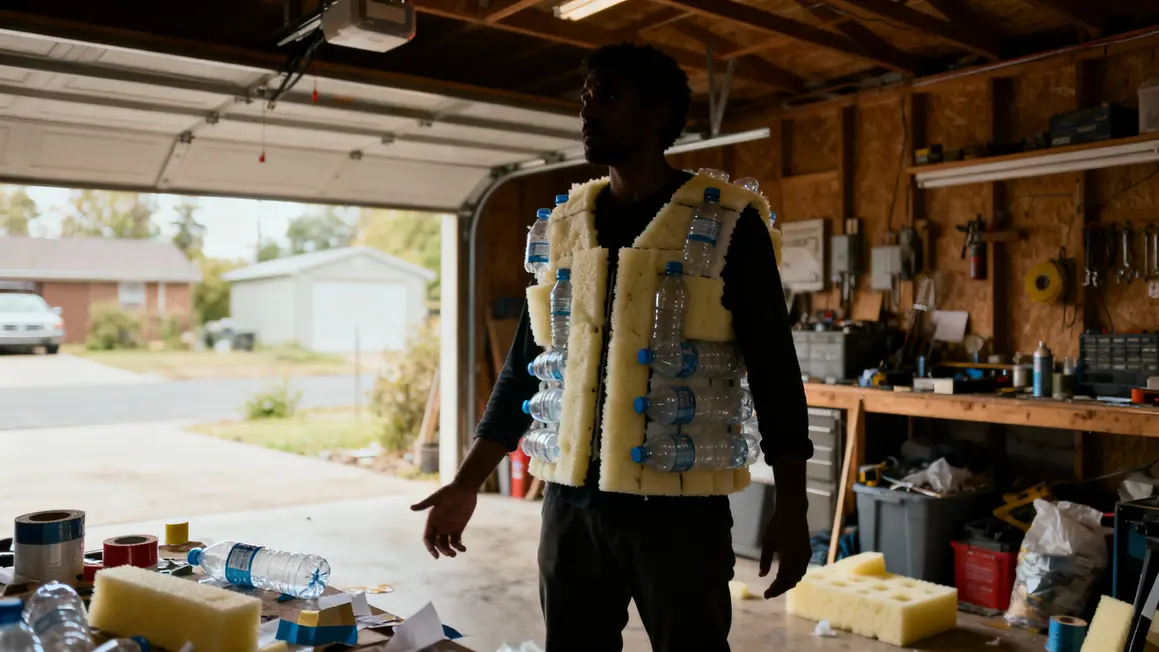
The temptation to tinker with your own vest often comes in the face of budgetary constraints or to meet an immediate need. However, an artisanal vest cannot guarantee neither effectiveness nor expected robustness in emergency situations. It lacks precise adjustments and offers no certainty about its ability to turn an unconscious swimmer or to withstand extreme conditions. In addition, during group or club trips, presenting an uncertified vest potentially exposes to sanctions, excluding exit, or even to complaints of liability for the organizer.
Materials commonly used for DIY and their limitations
- Plastic cylinders Although they float, they are neither stable nor comfortable and do not provide any security over time.
- Polyethylene foam : more used as a camping mattress, its buoyancy is insufficient without a studied design and calibrated adjustments;
- Neoprene : used in combinations, it offers comfort but not sufficient buoyancy to replace a set.
The approved vests use specific composite materials, carefully assembled to obtain several vital functions: flotation, flipping, maintenance and visual detection. Their manufacturing results from years of industrialisation and testing, far from the DIY's improvised solutions.
Hypothetical steps to design a home lifejacket
Tutorials run on the Internet or in community networks, often based on plastic bottles inserted in pockets or attached around the bust. Some add bands of foam or neoprene to improve the effect. But in real-life tests (simulation of fall or loss of consciousness), these solutions reveal their flaws: poor distribution of buoyancy, lack of body retention, water saturation, impossibility of pulling a teammate to a safety position. Without technical validation or scientific testing, we are especially exposed to false tranquillity.
The tests needed to ensure safety and why home vests fail
- Flotability test (newtons) : hand-crafted vests cannot be tested properly, due to lack of precise equipment and reference material;
- Reversal test for unconsciousness
- Tear resistance test
- Verification of visibility and wear under extreme conditions
Most artisanal attempts fail from the first test: the DIY vest may disunite under pressure or saturate water and increase its wearer. The severity of these faults is well known among club leaders, where safety leaves no room for improvisation.
Secure alternative of approved vests
For the regional rowing industry, choose a suitable approved vest to practice (50N for indoor water bodies, 100/150N for exposed contexts, child size perfectly adjusted...) remains the only reliable guarantee. These equipments are designed to offer performance, robustness and comfort, over several seasons, and allow you to navigate in complete peace, both in leisure and in competition. Within the clubs and families of rowers in the Rhône-Alpes region, investment in a certified solution is largely profitable by the tranquility and durability of use.
The role of clubs and institutions in raising awareness of boating safety
Various local workshops, meetings with specialists or club capsizing simulations illustrate the strength of the collective to raise awareness to row safety. The testimonies gathered during prevention days, the mobilization of mentors and partner organizations are major supports to anchor the right reflexes. In waterfront schools, the integration of "nautical safety" sequences into the EPS helps to spread this culture from childhood onwards. The Rhône-Alpes region, through its institutional and federal actors, is multiplying the appropriate teaching materials and voluntary training around the urgency on water and the use of regulatory materials.
To ensure optimal protection in the row, invest in a Automatic lifejacket: safety and comfort for rowers remains a reliable and proven alternative.
To ensure your safety on the water, explore these essential accessories to optimize comfort and safety in rowing.
What to do in an emergency without an approved lifejacket
If you find yourself without certified equipment during an unexpected exit, using temporary floating objects (bidon, bottle, foam...) can help to wait until the rescue arrives. However, their effectiveness is very limited: they never replace a standard vest and recommend that efforts be limited, that early warning be alerted and that clustering be maintained if possible.
| Improvised alternative | Benefits | Disadvantages |
|---|---|---|
| Plastic cylinders | Light and easy to find | Low and unstable flottability |
| Insulation foam | Good buoyancy capacity | Impractical installation and precarious handling |
| Bidons / Jerrycans | Upper Flotation | Difficult handling, congestion |
To remain visible, to consolidate the available means and to prevent rescue remain the priority levers pending proper management.
Essentially, for anyone who regularly operates on the water in the Rhône-Alpes region, the adoption of the adapted, verified and collectively encouraged practices. Focusing on certified equipment, relying on your club or peers to learn the right reflexes and participate in regional preventive actions is a real safety net for yourself and others.
- What experience did you experience with lifesaving equipment? Your feedback or questions are welcome as a comment to enrich the exchange between rowers, volunteers and local leaders!
- If this article has been helpful, don't hesitate to share it with your club colleagues or online groups to strengthen the safety culture around regional rowing.
- Are there any other security issues or equipment you would like to see addressed on the site? Let us know so that these resources stick to your daily needs.
To deepen the regulation of vests and the return of experience on equipment, the sites of sports federations or the Ministry in charge of sports offer detailed and regularly updated resources. The DGCCRF website (Directorate-General for Competition, Consumer and Fraud Prevention) also lists warnings and reminders of equipment. Keep in mind: security is everyone's business, and everyone gains in passing on their experience or questions.
Updated on 21 March 2026