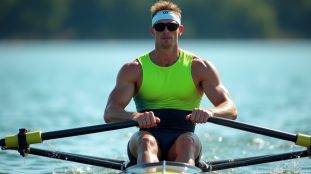
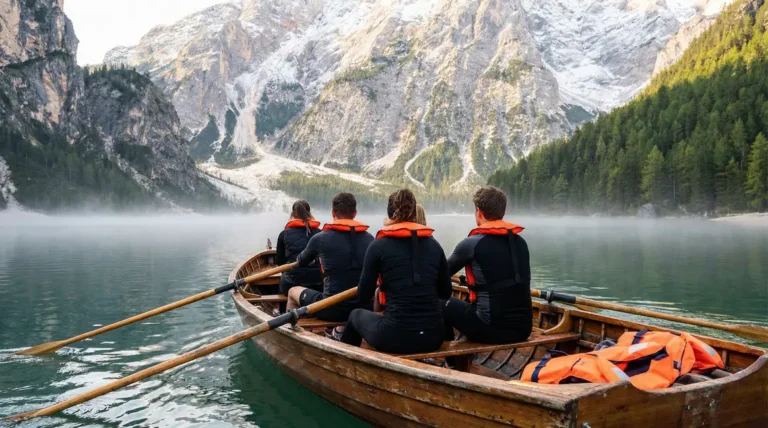
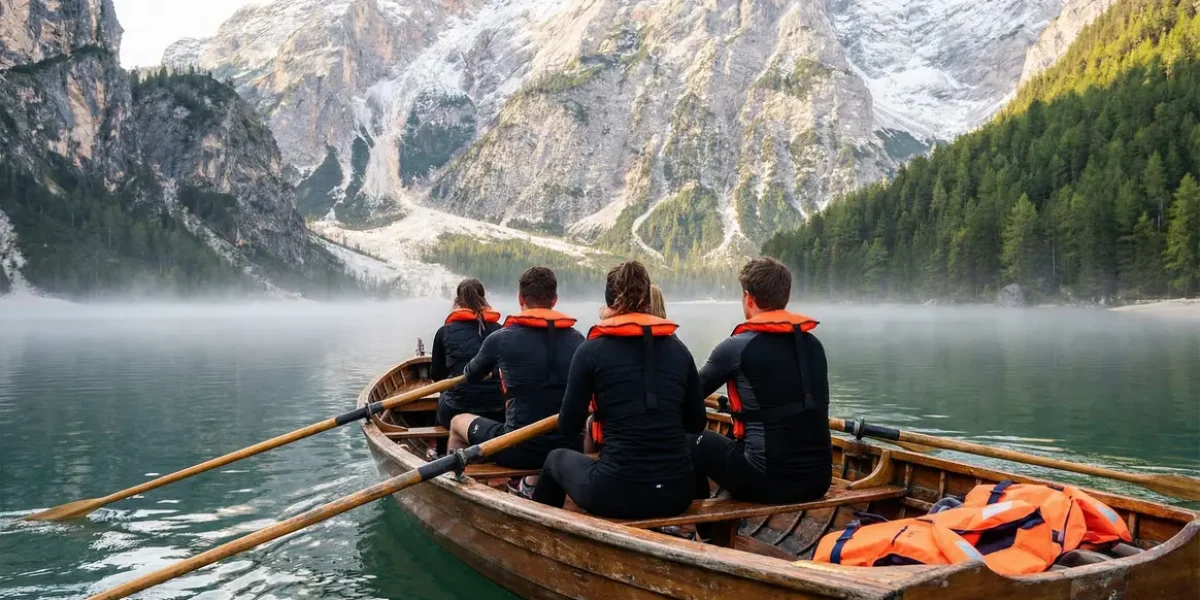
Selection of a lifejacket remains a central issue for all enthusiasts of rowing or nautical activities in the Rhône-Alpes. Whether it's club trips, regattas or family recreation, having equipment adapted to the specifics of the activity and the morphology of each person ensures safety and peace of mind. Find here practical tips from the field to guide your choice and navigate with confidence.
Contents
Different types of lifejackets
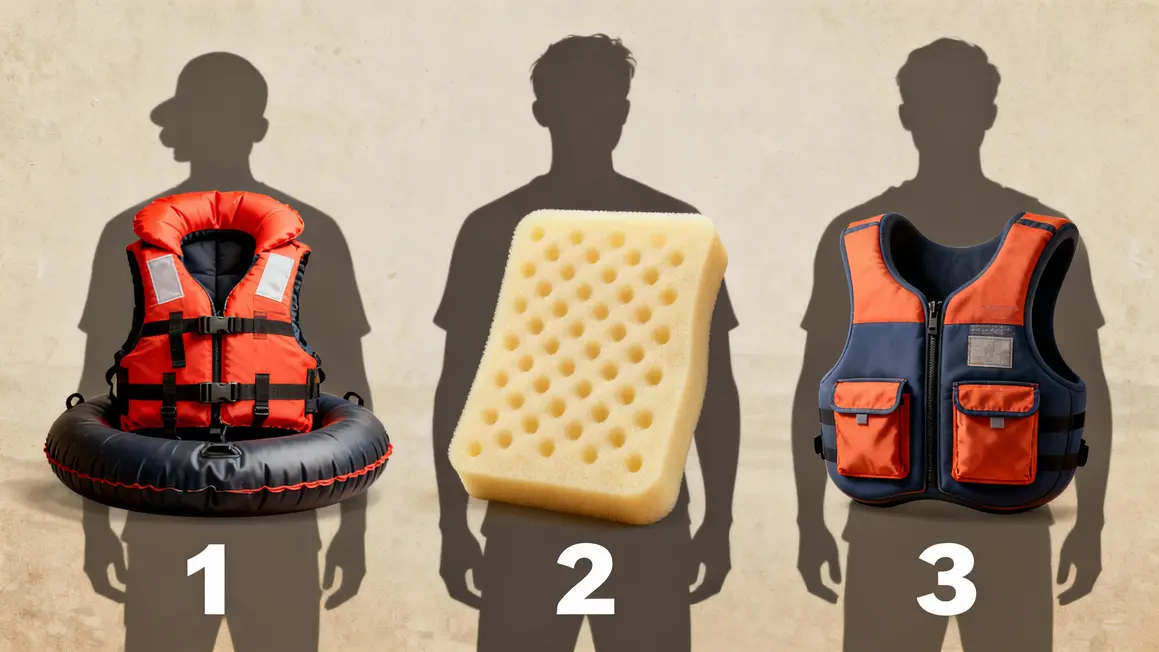
Lifejackets are available in several types, each designed according to specific uses and user needs. Understanding their differences makes it possible to make a choice adapted to the activity practiced and the conditions encountered.
The Inflatable vests, in manual or automatic versions, seduce for their lightness and discretion. An automatic model is triggered in contact with water, while the manual requires a gesture from the carrier. These vests are suitable for sea or lake navigation over long distances where the enhanced buoyancy is essential. However, they require rigorous maintenance, particularly for gas cartridges. A well-known example, the Lalizas 275N, offers enhanced security adapted to the most demanding conditions.
The Foam vests ensure permanent buoyancy. They are mainly aimed at children, beginners or kayaking, the priority being long-term reliability. The 100N foam models are thus recommended for younger people thanks to their well-thought-out straps.
Some vests have special features, such as integrated pockets for fishermen or ergonomic design for kitesurfing and sports navigation. Pets are not forgotten, with suitable equipment that secures dogs accompanying their master on the water.
The test of the type of vest must always be chosen according to the level of safety sought, the comfort in wearing and the ease of use. Taking into account the context of use – river, lake, sea, club, individual session or associative event – avoids any compromise on safety.
Important criteria for choosing a suitable vest
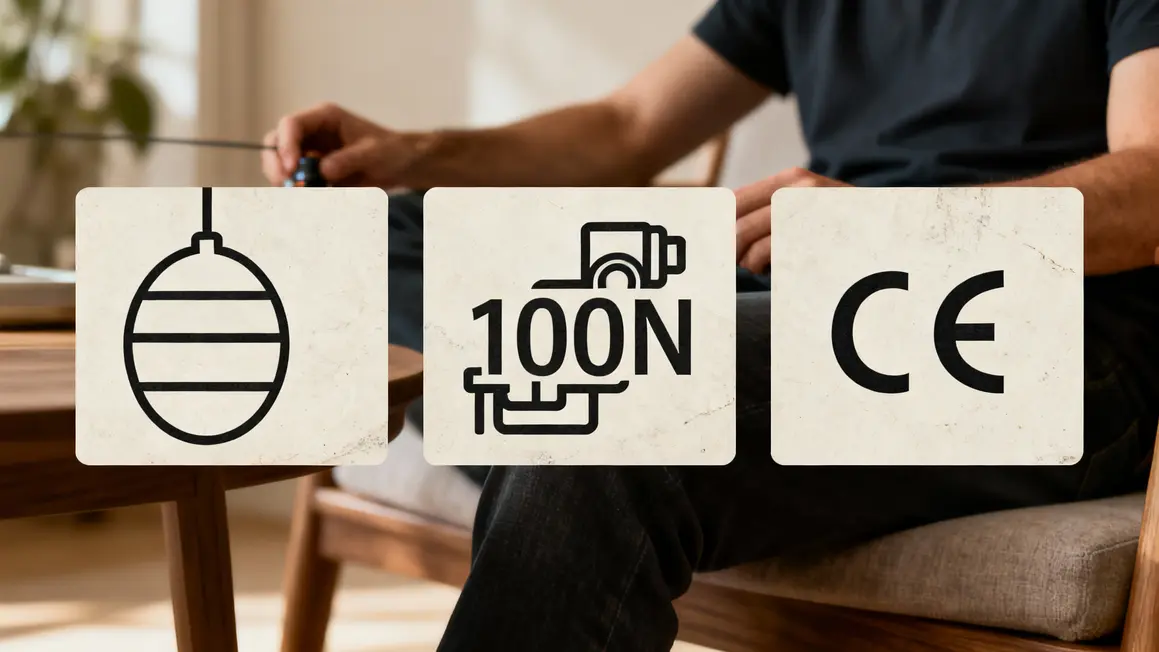
Several criteria are critical for selecting an effective and compliant vest: buoyancy, trigger mode and current standards.
- Flotability : expressed in Newtons (N), it determines the ability to maintain a body on the surface.
- 100N: sufficient in calm waters and for initiation,
- 150N: recommended for coastal navigation,
- 275N: high seas use or high exposure (heavy clothing, difficult weather).
- Trigger : automatic or manual, to be adapted to the activity (extended sports, solitary sailing, fishing, kayaking, etc.).
- Approval : systematically search for the CE marking, or ISO standard 12402 for use (consultable on the product label).
- French regulations Division 240 specifies the requirements according to the distance of a shelter and the type of activity. For rowing in the Rhône-Alpes, do not forget to check compliance before each trip on a water plane.
| Activity | Recommended flottability | Type of vest | Regulation |
|---|---|---|---|
| Coastal navigation | 150 Newtons | Automatic inflatable | Division 240 |
| High seas | 275 Newtons | Automatic inflatable | Division 240 |
| Inland waters | 100 Newtons | Manual foam or inflatable | EC/ISO 12402 |
| Kayak/fishing | 50 to 70 Newtons | Foam with accessories | ISO 12402 standards |
The right choice is based on a compromise between security, ease and compliance with legal obligations. To go further, do not hesitate to discuss with members of your association or club leaders for opinions based on the field experience.
Consider its morphology and weight
The adjustment of the vest according to the morphology and weight of the user is fundamental, especially for rowing where the movements are extensive and repeated.
- For an adult, prefer an adjustable model in size, incorporating reinforced belts for large templates or upholstered belts for comfort during prolonged efforts.
- For a child, check the presence of subcutaneous straps and a buoyancy of 100N to ensure safety in the event of a fall.
- Some models are specially designed for female morphology with a support suitable for the bust and no unpleasant area of pressure on the chest.
Here is an aide-memoire for the recommended minimum buoyancy:
| Weight | Minimum flottability |
|---|---|
| Up to 15 kg | 45N |
| 15 to 30 kg | 60N |
| 30 to 70 kg | 100N |
| 70 kg or more | 150N or 275N depending on the environment |
Prior to any purchase, a pre-fitting is recommended, especially for rowing and rowing machines operating in clubs or regional regattas.
Legal standards and conditions of use
The CE marking or reference to the standard ISO 12402 ensures that a vest complies with European standards. Specificities differ according to buoyancy: ISO 12402-3 for 150N (shore/shore navigation), ISO 12402-5 for protected water activities, etc.
- The Division 240 precisely frames the nautical practice in France:
- 50N for less than 2 miles from a shelter,
- 150N mandatory beyond and during longer crossings.
- In case of a capricious weather or late schedule, ensure the presence of reflective signs or even an integrated light device.
Always learn about local obligations and consult club or educational displays: ad hoc adaptations may exist depending on the period or organisation of competitions.
Technical specifications to optimize safety
The tests conducted by clubs and rescuers in the region show the importance of a vest able to quickly return a person to the back in case of incapacity. This criterion, combined with the presence of light devices (LED, reflective bands), significantly improves safety during regional training or events.
| Characteristics | Example model | Advantage |
|---|---|---|
| Automatic turning | Lalizas 150N | Redress one person in less than 10 seconds |
| LED light device | Spinlock Deckvest | Increased visibility under low light conditions |
| Hydrostatic trigger | Lifejacket Pro 275N | Independent inflation from deep water immersion |
One point of attention: the compatibility of the vest with the activity practiced remains essential to avoid any false sense of safety, especially on moving waters or during group crossings.
Comparison of popular models
Below you will find a summary of the main models of the market, adapted to different uses and user profiles. Each has targeted benefits to meet the intensity of activities and the specific needs of regional practitioners.
For optimal protection and freedom of movement, opt for a Automatic lifejacket: safety and comfort for rowers, ideal for nautical activities in Rhône-Alpes.
To ensure maximum safety during your rowing trips, discover the rowing accessories and essential equipment for rowing.
If you are wondering if manufacturing a home lifejacket: feasibility, safety and alternatives for rowers is a viable option, discover the limits and recommendations to guarantee your protection on water.
| Make | Type | Flotability (N) | Trigger | ISO Standard | Characteristics | Price€) |
|---|---|---|---|---|---|---|
| Lalizas | Inflatable | 275 | Automatic | 12402-2 | Adapted high seas, quick turnaround | 99,99 |
| Orangemarine | Inflatable | 150 | Automatic | 12402-3 | Multifunctional pockets, ideal coastal fishing | 53,99 |
| Baltic | Moss | 100 | Permanent | 12402-4 | Children, adjustable straps | 29,95 |
| Spinlock | Inflatable | 170 | Automatic | 12402-3 | Integrate LED, ultra lightweight model | 145,00 |
| Decathlon | Moss | 50 | Permanent | 12402-5 | Perfect for kayakers and beginners | 24,99 |
The choice of the model must above all be based on your usage, the duration of the outputs and the expected level of autonomy. Consult the reviews of your club or local practitioners to refine the choice according to regional contexts.
Maintenance advice and life of vests
Regular maintenance ensures the longevity and efficiency of your equipment. After each use:
- Rinse with fresh water,
- Dry in direct sun shelter,
- Check the condition of seams, straps and replacement cartridges on inflatable models.
Regular inspections – at least once a season – detect any defects or premature wear. Foam vests must remain uniform and do not fall; for inflatable models, check the inflation level manually and change the rearming kits every two years or after use.
Always store the material in a dry and ventilated place, away from thermal variations or chemicals. A well-maintained vest will accompany you for 5 to 10 years, subject to respecting these simple maintenance practices and within the reach of all practitioners.
Responses to Frequently Asked Questions on Lifejackets
- What guy for a child? A 100N foam vest with secure straps and bright color. The fit must be impeccable, with undercut strap and ISO 12402-4 marking.
- Foam/inflatable difference? The foam offers permanent safety, ideal for initiation or young groups. The inflatable maximizes comfort and freedom to the experienced rower.
- Automatic rearming? Replace the cartridge and/or mechanism after complete drying, always with a suitable kit.
- For fishing or kayaking? Model with integrated pockets (Orangemarine 150N for fishing, Baltic or Decathlon 50N for kayaking).
- How to check his condition? Visual and touch inspection, attention to buoyancy for foam and inflating/inflating cartridge for inflatable.
To go further on regulations, visit the Department of the Sea website or the Division 240 reference. The recommendations of the French Federation ofviron also serve as a reliable basis for all associative practices.
Take the time to choose a lifejacket adapted to its nautical environment, test the fit and ensure compliance with local standards remains the best guarantee to enjoy serenely each exit. Any tips to share? An experience in club or competition safety? Your feedback is valuable to the regional community: participate in comments and encourage us to further develop this outreach service.
Share this practical dossier with your teammates: safety on the water often starts with good collective reflexes. Other technical topics or guide needs? Tell us your questions for future practical dossiers on aviron-rhone-alpes.org !
Article written by Marie F., volunteer and coach Aviron Rhône-Alpes. Expertise validated on the basis of CE/ISO standards, Division 240 and regional club returns. Last update: June 2024.
Updated on 21 March 2026