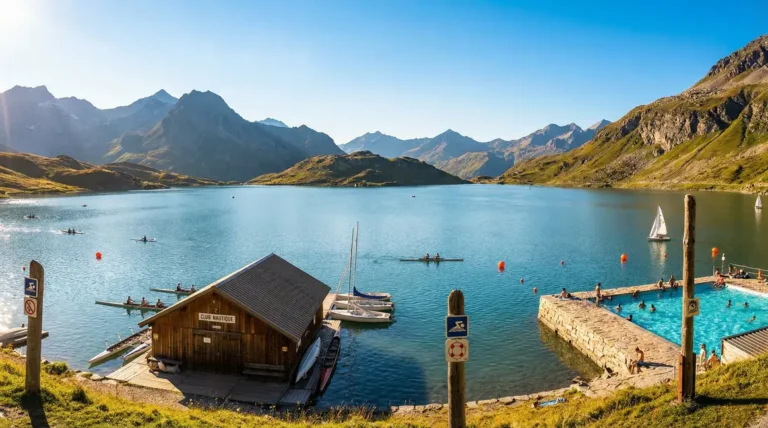
Aquatic sports, from swimming to rowing, are subject to a clear regulatory framework established to ensure safety, quality of practice and the proper functioning of structures. Many actors are involved at each stage, from the national level to local land. For club managers or practitioners in Rhône-Alpes, knowing who to address and understand the articulation of the different rules is often decisive, whether it is to organise an event or simply ensure a consistent practice.
Contents
The main players in the regulation of water sports in France
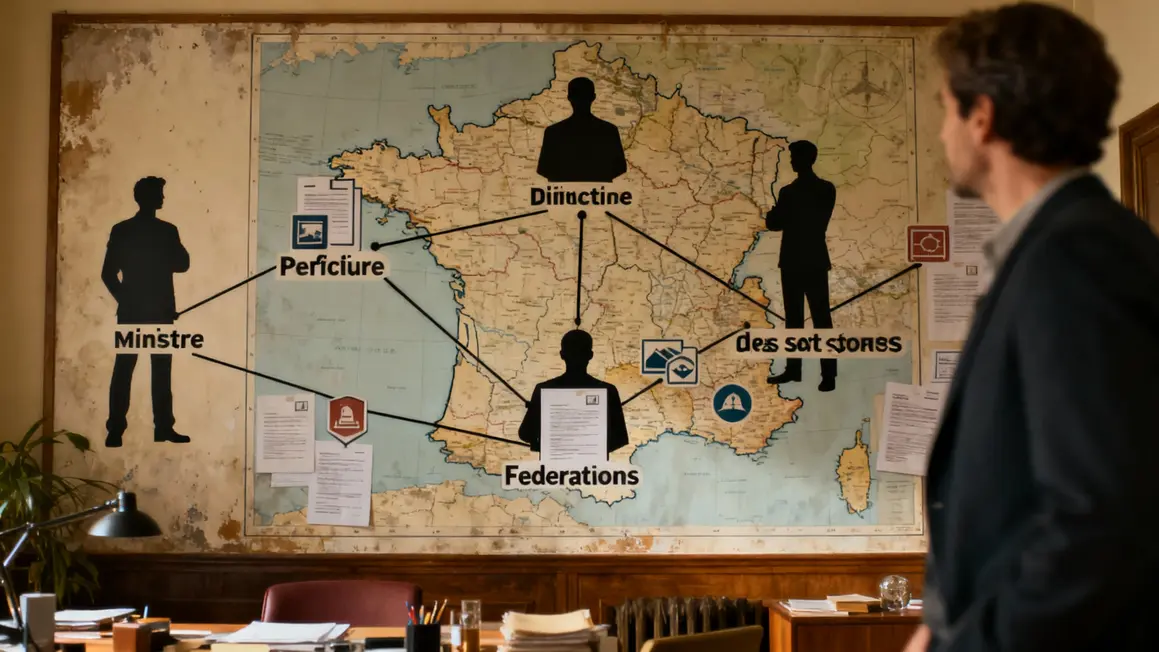
The management of the rules governing water sports involves several levels: the Ministry of Sports, the prefectures, the Departmental Directorate of Youth and Sports (DDJS), as well as delegated federations such as the Fédération Française de Natation (FFN), the FF d'Aviron or the FF de Voile. The Ministry defines national frameworks through the Sport Code, directs safety rules, training of supervisors and supervises the application of standards. Prefectures adapt and implement these guidelines at the local level: bathing monitoring, monitoring of nautical events, authorisations for events or temporary arrangements.
DDJS monitors compliance by associations, accompanies clubs and validates regional or territorial authorizations, with increased vigilance in open water practice areas. The federations, with a delegation from the State, draw up their own technical regulations, approve competitions and train managers. They serve as a permanent link to inform local actors of regulatory developments. At a rowing gathering on a lake in Rhône-Alpes, for example, the national framework applies in addition to the local specificities laid down by the prefecture and the federation concerned.
The legal framework defined by the Sport Code
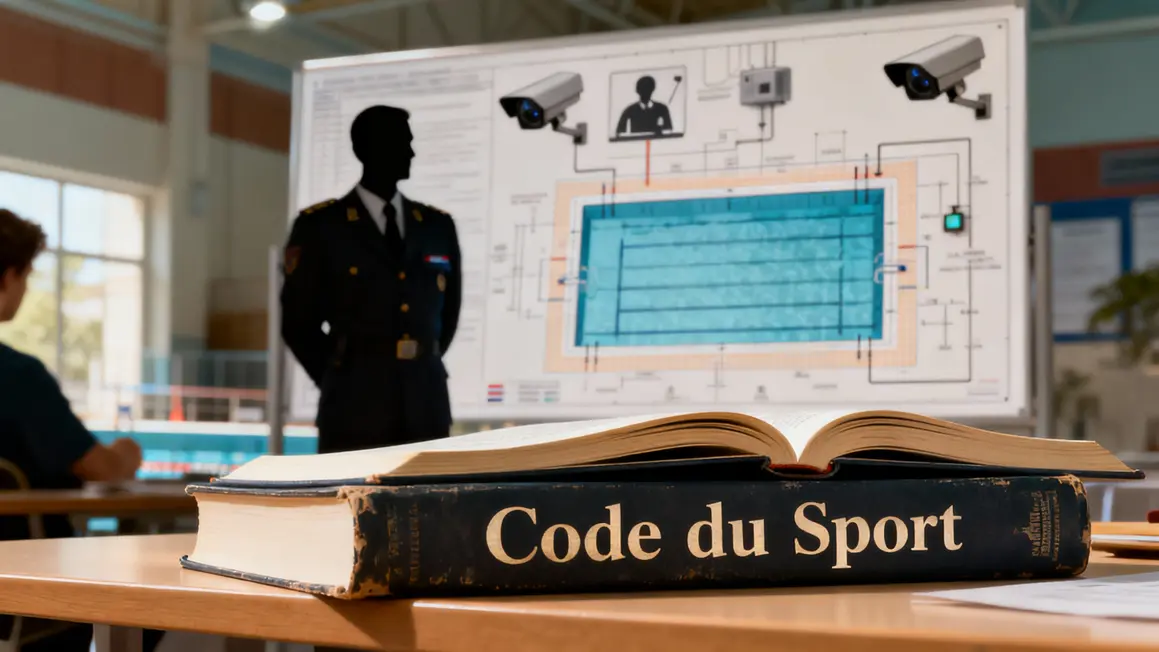
The regulatory basis is found in the Sport Code: Article L322-7 sets out the responsibilities of organizers, clubs or communities for the safety and compliance of facilities. Article A322-3 lays down the arrangements for the supervision of establishments, the type of equipment and the qualification of the supervisory staff. A reference order (7 April 1981, updated in 2022) details the obligations under the Supervisory and Relief Organization Plan (POSS), which must cover all aspects of intervention, equipment and training. The regular adaptation of these texts makes it possible to anticipate changes (frequency, nature of the public, new practices).
Qualifications required to supervise and monitor
Two titles form the core of security skills: Master Rescuer (MNS) and National Patent for Aquatic Safety and Rescue (BNSSA). The MNS teaches swimming, monitors, intervenes in emergency situations and must maintain its skills. The BNSSA intervenes on the supervision of beaches and swimming pools under the responsibility of an MNS the renewal every five years becomes more strict from 2026, with in addition an obligation to report to the prefecture for paid work.
| Qualification | Main missions | Operating conditions | Validity | New 2026 |
|---|---|---|---|---|
| Master Rescuer (MNS) | Monitoring, teaching, first aid | All institutions, total autonomy | 5 years, current first aid certificate | |
| BNSSA | Monitoring, team support | Under MNS responsibility, excluding education | 5 years, compulsory renewal | Mandatory prefecture declaration |
Continuous training is recommended to maintain the effectiveness and compliance of the teams.
The role of the Monitoring and Relief Plan (POSS)
The POSS structure safety management at each collective aquatic site. It maps risks, provides equipment and procedures, designates managers and requires regular simulation exercises. The monitoring of the POSS must adjust to developments in practice and infrastructure. It is subject to controls during openings and regularly in the event of a change of public, activity or regulation.
Safety and hygiene standards for swimming pools and water bodies
The requirements concern both equipment (barriers, alarms, filtration systems, etc.) and organization (access controls, display of instructions, emergency plan). Managers conduct regular audits and maintain records to ensure water quality (microbiological, chemical) and facility compliance. The consequences of a breach can be severe: closures, financial penalties, or even prosecution for negligence leading to an accident.
Specificities according to aquatic disciplines
- Swimming Priority is given to qualified surveillance and health traceability.
- Sailing : importance of equipment, knowledge of safety rules and means of communication.
- Diving Graduate supervision, systematic verification of equipment, compliance with regulatory limits.
- Wing, stand-up paddle : emphasis on visibility, signage, condition of equipment and wearing lifejackets outside of monitored areas.
Athletes in Rhône-Alpes often benefit from federal accompaniment schemes to familiarize themselves with these nuances.
Regulatory developments planned for 2026
The year 2026 will see the appearance of new obligations: declaration of compulsory activity for BNSSA holders in paid positions, increased requirements during competitions in a natural environment (water plans; remote evacuations). Similarly, recreational fishing at sea is more supervised, impacting the nautical bases concerned. Leaders and clubs must anticipate these developments by maintaining active monitoring of texts, including through their DDJS or regional committee.
Comply with and anticipate on a club or structure scale
- Control the diplomas and retrainings of supervisors (MNS, BNSSA, specific training).
- Updating the POSS, disseminating and understanding the instructions to the entire team.
- Establish ongoing training sessions to anticipate formal or federal changes.
- Regularly check the condition of the equipment and the suitability of the equipment with the actual practice.
- Bring local needs closer to the resources and arrangements proposed by the region or federation concerned.
Administrative procedures for opening or managing an aquatic establishment
Obtaining an authorisation (mayorship or prefecture), drafting an up-to-date POSS, regular health checks and maintaining up-to-date staff qualifications are all essential steps. Adjustments must be made as soon as a change impacts the structure (new audiences, new activity, regulatory developments). Surrounding partners (federation, regional committee) and documenting all steps (registers, certifications) is strongly advised.
To discover activities adapted to the youngest, explore the best water sports for children, combining safety and fun learning.
For beginners wishing to learn, it is essential to learn about Which water sports to choose in Rhône-Alpes to adopt a practice adapted to their needs and local regulations.
Penalties and consequences for non-compliance
Penalties for non-compliance are dissuasive: immediate administrative closure, fines under the Sport Code, suspension of leaders, even loss of subsidies and criminal prosecution in cases of serious negligence. The maintenance of a documentary watch and an ongoing dialogue with the authorities ensures the sustainability of the activity.
Frequently Asked Questions
- What diplomas to regulate an aquatic activity? BPJEPS for NSM, BNSSA for surveillance. Recycling is mandatory and control can be done through the ministerial base.
- What to do in case of an accident? Apply the instructions of the POSS, prevent rescue, make the declaration to the authorities and insurance.
- How to check the equipment of a club? Audit of facilities according to the Sport Code, federal guides available online or from the affiliation federation.
- Can we organize an activity without MNS? No. Any activities organised in a swimming pool or public area require the presence of a qualified supervisor.
- What steps for a free water demonstration? Prefecture file, agreement with the community, precise safety plan and certified qualifications for supervision.
Resources to keep up to date
Keep up-to-date through the website of the Ministry of Sports, Legifrance for official texts, and by regularly consulting the federal information channels: technical guides, newsletters, webinars, information meetings. The clubs in Rhône-Alpes can also rely on their regional committee for concrete feedback and practical advice shared between local structures.
Why this regulation structures the safety and future of aquatic practices
Clear and followed rules reinforce the confidence of practitioners, protect new audiences and simplify the daily lives of local leaders. The involvement of regional actors (clubs, federations, communities) helps to create a reliable and attractive environment, conducive to the development of initiatives such as rowing on our lakes and rivers. Promoting the use of field experience and access to up-to-date information enables everyone to evolve in a secure and dynamic environment.
What do you think are the priorities to strengthen within your club or community in terms of aquatic safety? Share your experiences or questions with the community as a comment.
If this file has helped, circulate it around you to support the improvement of aquatic practices in the region.
What aspects would you like to see in depth on the regulatory or associative organisation of sports in Rhône-Alpes? Your opinions and proposals are welcome.
To go further, refer directly to the official resources of the Ministry of Sports or consult the practical guides published by the federations.
Sources: Ministère des Sports, Legifrance, Fédération Française d'Aviron.
Updated on 21 March 2026