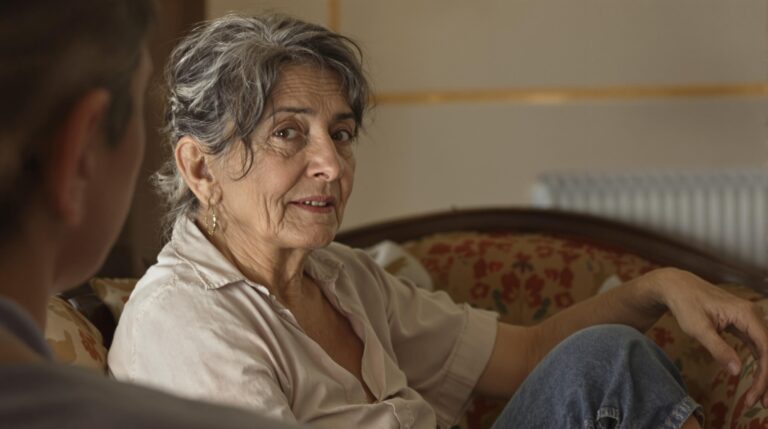
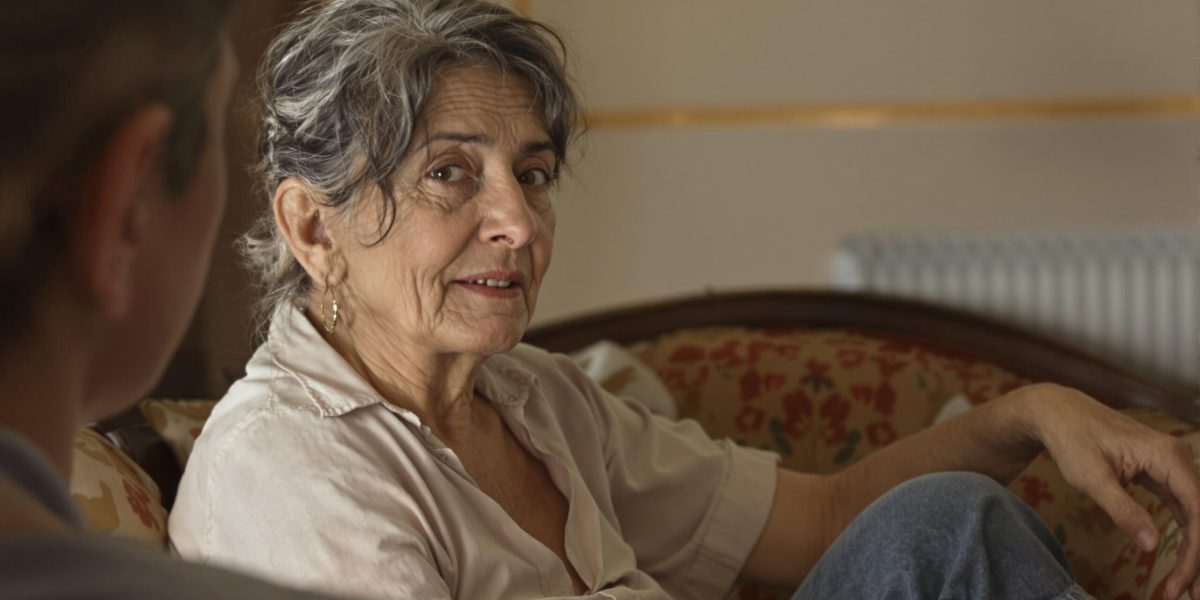
Like stones forgotten at the bottom of a pocket, the words of childhood sometimes continue to weigh on our adult steps: a remark that hurts, an inner voice that doubts, the need to erase or please at all costs... Behind success or discretion, the shadow of old critics often shapes our reflexes and hollows, by force, this unsuspecting flaw in our self-esteem or our affective dependence. Finding these hidden traces is already loosening the link – and opening the way to a life less driven in the past, step by step.
Contents
Why do some adults still bear the stigma of childhood criticism?
Behind a smile or apparent success, an invisible flaw can persist: that of having long grown under the fire of reproaches and judgments. Who ever met a perfectionist colleague at the extreme, a friend unable to say no, or that discreet person who constantly doubts? What if it all goes back to their childhood? If the words received during the young years set up, in silence, powerful mechanisms that dictate certain choices, reinforce fears, weave our relations? Here are some leads to better understand this frequent trajectory... and see the exit doors that exist.
Long shadow of criticism: when the inner child shapes the adult
Words can weigh much heavier than they look. A child who is frequently criticized soon comes to doubt his value. By hearing that it is « not enough », « too much », an inner rampart is built, without noise : fear of abandonment, perfectionism, hypervigilance to the slightest remark... These injuries slip discreetly into the emotional suitcase taken to adulthood.
Fear of rejection and emotional dependence: an invasive duo
A great sensitivity to rejection then manifests itself, adult, as a small internal shaking as soon as the other moves away a little. We multiply the evidence of love, we wait for validation at every step, and, for fear of being abandoned, we sometimes accept too much, seeking to avoid conflict or disamour... as if an old alarm remained ready to sound. This emotional dependence is not a mere desire to be loved; It echoes a vital need for emotional security, rooted in early years.
Self-esteem, this capricious compass
Growing up under a constantly critical look is moving forward with a cabossed self-esteem. Value yourself? Trust each other? Exercise becomes arduous. Successes seem to have to be perfect or do not matter. We run after the ideal, we dread failure, sometimes until anguish. And when a victory ends up... doubt prevails, a small inner voice blows: « You don't really deserve it. » Here's the famous one. « Imposter syndrome »: the persistent impression of fooling others – and, above all, self.
To be noted: Identifying his self-critical thoughts is the first step to regain control of his self-esteem... and stop the snowball effect of doubt.
Tensile social relations, inner fatigue: other invisible reflections
Difficulties in asserting or setting clear boundaries sometimes mark the mark of old critics. The adult then oscillates between fusion and withdrawal, preferring to delete rather than risk a « No » That would hurt. In the couple, fear of being rejected sabotages any attempt at stability or peaceful privacy. Some slide to persistent emotional fatigue, a tendency to put everything back on the next day, sometimes to a form of hidden depression. Anxiety comes into everyday life, sneaks in, sometimes taking the form of crises, perfectionist compulsions or a desire to control everything.
Get out of the cycle: what way to get rid of these old wounds?
Nothing inescapable, even if the past weighs heavily: the brain, broken or not, loves to explore new paths. To become aware of these « inherited schemes » Already changing the deal. Allowing to transform the way it does opens the door to new markers — sometimes confusing, especially when you're used to controlling everything.Cognitive and behavioural therapy, guided introspection... To rely on a professional is often a real boost to revisit one's beliefs, tame one's emotions, set healthier limits. No need to erase the past: the important thing remains to learn, day after day, not to let him choose in our place.
Want to move on?
Observe one's own reactions, put words on one's needs, dare the imperfection: so many first steps on the path of inner soothing. The wounds of yesterday do not oblige anyone to remain prisoner. Another balance is inventing, often more accessible than one imagines.
Updated on 6 August 2025