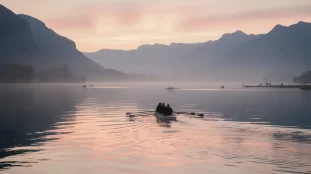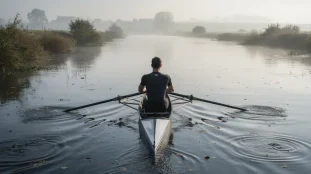
Transforming a yolette into a recreational boat is of increasing interest in the Rhône-Alpes region, which seeks to adapt their boat for family hikes, walks with friends or relaxed trips on lakes and rivers. This guide details each step in order to succeed in this conversion, from the choice of the model to the concrete optimizations to ensure safety and pleasure, while taking into account the local context and the returns of the terrain.
Contents
Choosing a suitable yollette for conversion
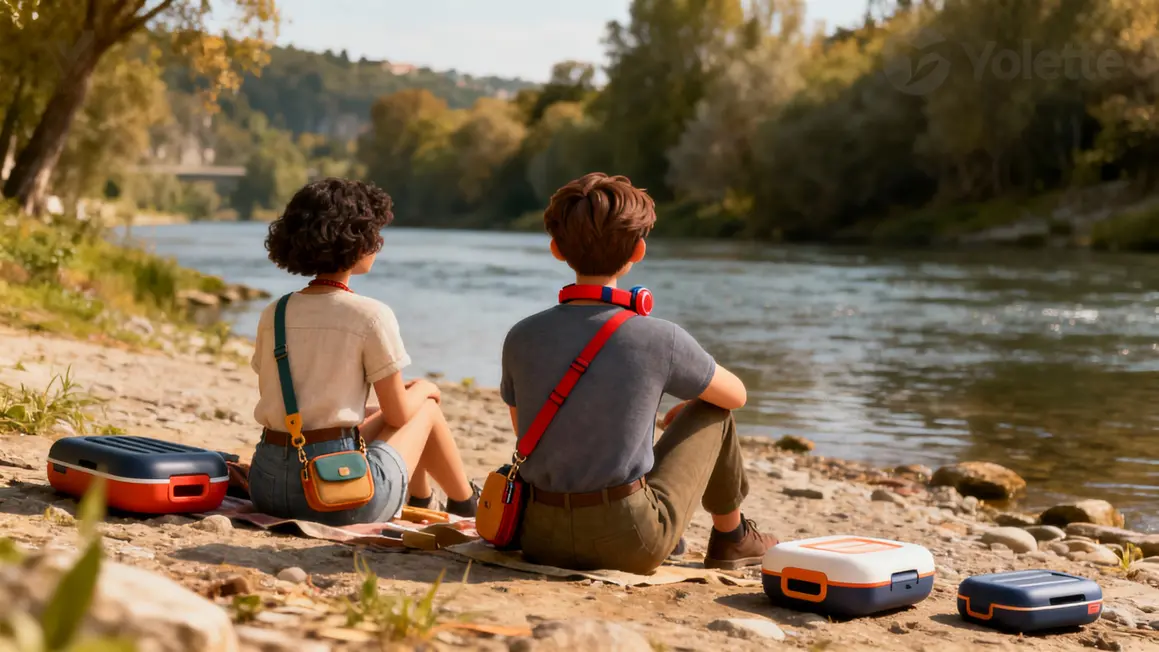
Yolets exist in several versions, each for different uses: initiation, competition or leisure. To succeed in transformation, it is essential to clearly identify the characteristics of each model. The initiation yolets offer maximum stability but are often heavier, which can reduce manoeuvrability for long distances. The competition versions, designed for speed, are lighter but much less stable: to reserve if the objective is really performance.
If you are looking for a perfect compromise between user-friendliness and easy adaptations, prefer a yollette oriented « leisure » : stability, modularity and capacity to add options are at the meeting. The material of the hull (glass fibre, polyethylene) conditions the resistance to shocks and the ease of maintenance, unlike the carbon models that require special care. Some models include storage compartments from the outset or modular supports that simplify the sequence of transformations.
On the budget side, a new yollette adapted to leisure is located between 7000€ and 10,000€, but a good opportunity remains a sure value to start. The versatile models of brands such as Swift Racing or WinTech deserve a look: their robustness, their design designed for hiking and the possibility of integrating various accessories fit well with local expectations.
The necessary preparations before transformation
Preparing the yollette for its conversion requires rigour and method. One thorough cleaning the hull is required to avoid any residue that could cause deterioration or mask a defect. Carefully inspects each structural element, including the support points of the door, the footholds and any access hatches, for signs of wear or cracks.
- Replaces or repairs defective parts to leave on a healthy basis.
- Consolidate everything you need in advance: suitable oars, solid bearings, comfortable seats, keys, screwdrivers, marine grease and safety equipment.
- Stabilizes the wheel on a firm support to work safely and protects your hands during mechanical interventions.
- Before heavy modifications, check the compatibility of the vessel with local regulations and mandatory safety equipment.
Perform the technical conversion of the yollette
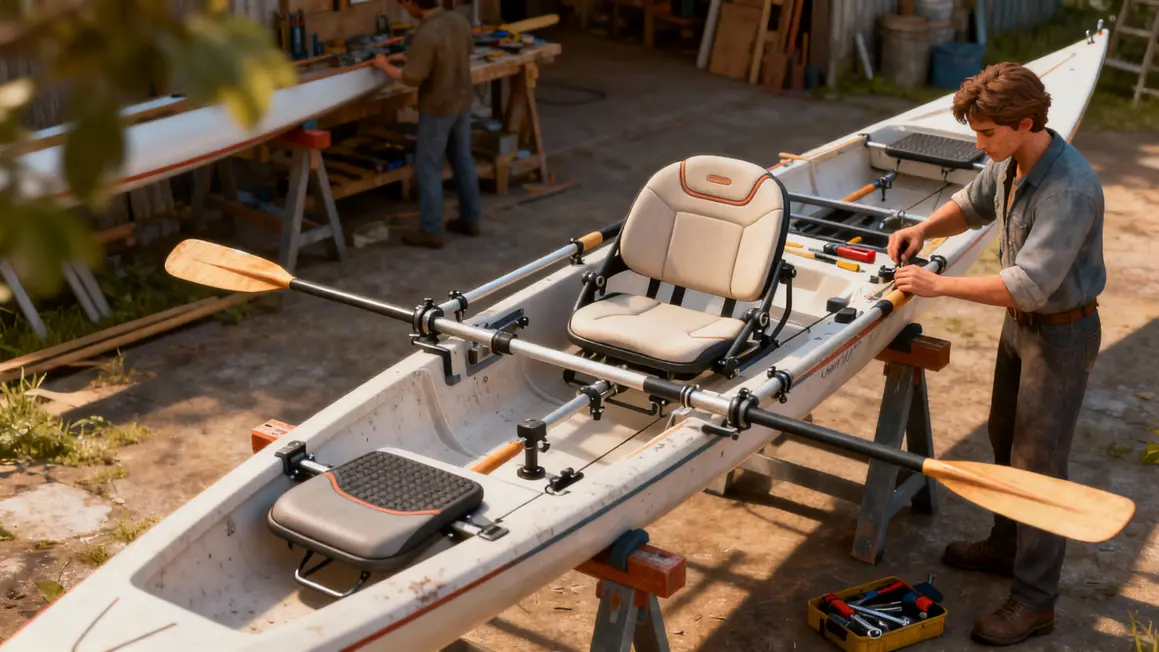
The transformation itself is based on a few key steps. First adjusts the door system for it to accommodate the use of torque or tip according to your ambitions: prefer solid materials and a secure pose to well distribute the effort on the hull. Switch to the foot hold, with an adjustable system to adapt the position according to the users, and possibly add a non-slip coating to secure the climbs/descents.
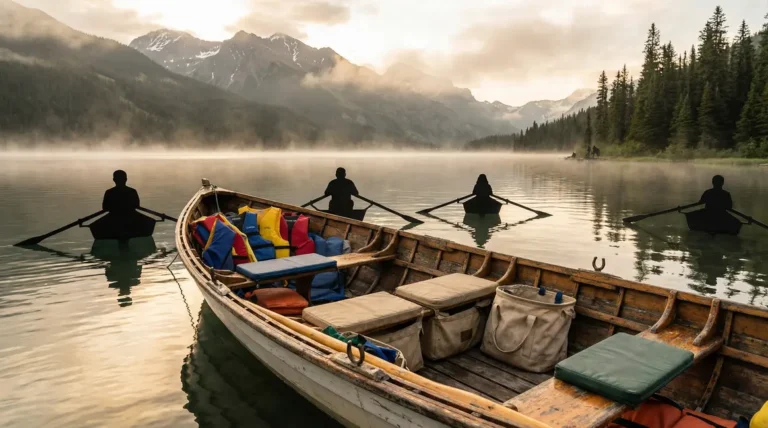
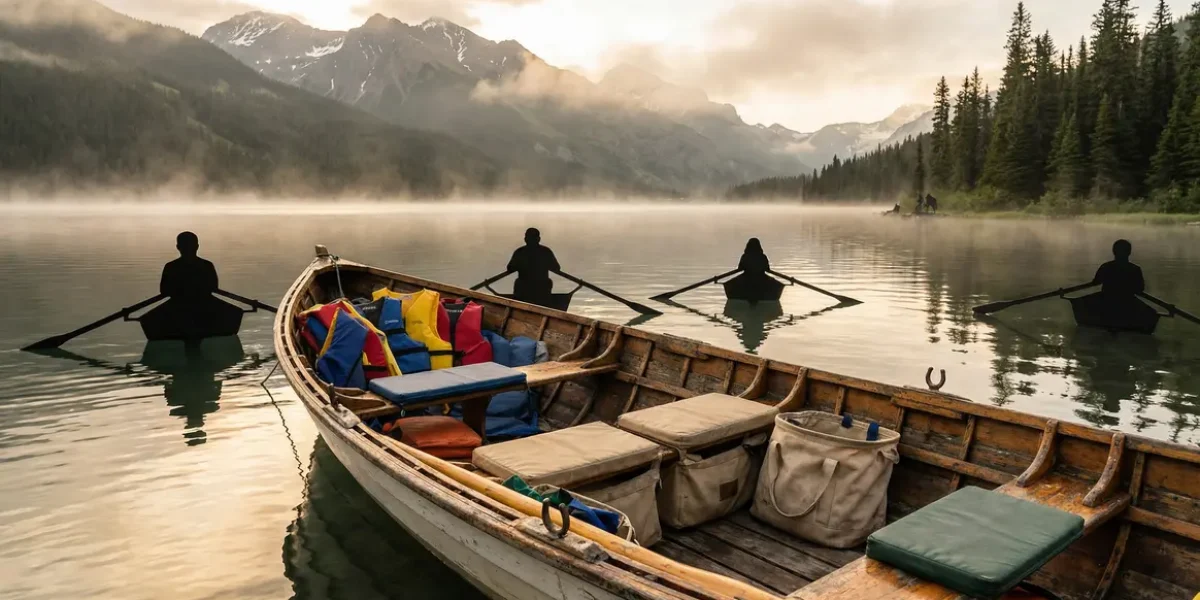
Comfort is also a determining factor: ergonomic seats with waterproof padding, ensuring their perfect slide after cleaning and lubrication. For long walks, cushions or swivel seats significantly improve the experience, especially in the family. Consider providing a minimum of onboard tools for last minute adjustments.
As for additional equipment, installs accessories such as rowing racks, a removable rudder or waterproof hatches to safely store personal effects. The addition of removable stabilizers or steering pad is very useful in the various navigational contexts encountered in the Rhône-Alpes.
Optimize the boat for recreational row use
Some practical equipment make navigation much more enjoyable:
- Life jackets and safety accessories : always adapted to the number and size of passengers, mandatory on most water bodies.
- Anti-slip coating on walking areas.
- Bottle racks and hydration solutions accessible.
- Stability enhanced by a balanced weight distribution on board. Use waterproof bags to bleed as needed.
- Flexibility of seats: For families or solo rowing machines, the configuration must adapt.
To facilitate transport and storage, demountable trainsets or foldable rudders are to be preferred: versatility becomes a real asset on regional sites where spaces are sometimes restricted.
Ensure maintenance and durability of the processed wheel
Regular maintenance is necessary to enjoy your redeveloped yolotte for a long time. One weekly cleaning fresh water is enough to preserve the hull; Complemented by a monthly review of mechanical components and mobile accessories, and by further annual monitoring. Use covers to avoid scratches, and quickly make minor repairs (epoxy resin, gelcoat) if a crack or scratch appears.
For winter or prolonged storage, place the yollette in a dry and airy space, out of contact with moisture or large temperature deviations. Rhône-Alpes workshops and rowing clubs offer a variety of maintenance and repair services if you need them: check with your community network or regional suppliers.
Ramer safely and enjoy the walks
Safety depends on the preparation: consult the weather forecast and adjust your trip according to the conditions. On shared waters, make sure to report your presence (fanions, clear clothes) and always respect the priority to other users, especially non-motorized boats. Forming a coordinated and attentive crew is the best guarantee to avoid any bad surprise.
Before a long trip, informs a close friend of your itinerary, defines the roles of each one in the crew and takes advantage of it to get acquainted with the water plans or tips offered by local clubs: some edit guides or very useful maps. Finally, take the right steps to protect the spaces crossed – systematically bring back your waste and respect fragile or protected areas.
Think of mastering the bases for barring a yollette: techniques, advice and responsibilities, an essential skill even after transformation into a recreational boat.
To customize your yollette and give it a unique style, discover creative ideas in this guide DIY decoration: techniques to transform your rowing trains.
To successfully transform your bike into a leisure boat while guaranteeing safety and comfort, discover the essential tips in this guide on rowing : essential equipment to advance and secure your practice in Rhône-Alpes.
Explore the best regional experiences with your yollette
The Rhône-Alpes region is full of ideal places to discover in a leisure bike. The Lake Aiguebelette, renowned for its calm waters and surroundings, offers perfect conditions to begin with, as well as the sea base of Seyssel on the Rhône, very appreciated by families. The great meetings on Lake Geneva or Lake Bourget are also an opportunity to discover other enthusiasts, attend or participate in workshops and gatherings on the transformation of boats.
For those who love adventure, the living waters of Lake Annecy are a great challenge, to be reserved for seasoned rowers. Local clubs are pleased to share the best addresses and logistical advice, especially in the Savoie basin or with teams such as the CN Aix-les-Bains or Les Avirons de Lyon, known for their associative commitment and knowledge of the field.
Adapting a biker for leisure is also the promise of a sport heritage that is otherwise lived, accessible to all and in line with the territory. Depending on your experience, what technical adjustments or maintenance tips do you prefer to enjoy your walks?
Share your feedback or questions in the comments! If the article is useful, please circulate it to your club or community to inspire other Rhône-Alpes enthusiasts.
Your curiosity about these redevelopments feeds associative innovation and the dynamics of local clubs: maybe the beginning of a new collective adventure on the water...
For more information or to consult the official recommendations, do not hesitate to consult resources such as the d'aviron federations, the specialist sites on leisure navigation or local regulations (e.g.: Fédération Française d'Aviron, bases fédéral d'aviron Rhône-Alpes).
Updated on 21 March 2026