

Maintaining its nautical equipment remains a priority for all boaters and boat owners, whether they sail in fresh or salt water. A well-followed equipment ensures safety during outings, performance on the water and allows to limit costs related to unforeseen repairs. This article provides an overview of the essential steps, from cleaning to thorough maintenance, based on the experience of rowers and club volunteers in the Rhône-Alpes region.
Contents
Understanding the basics of nautical maintenance
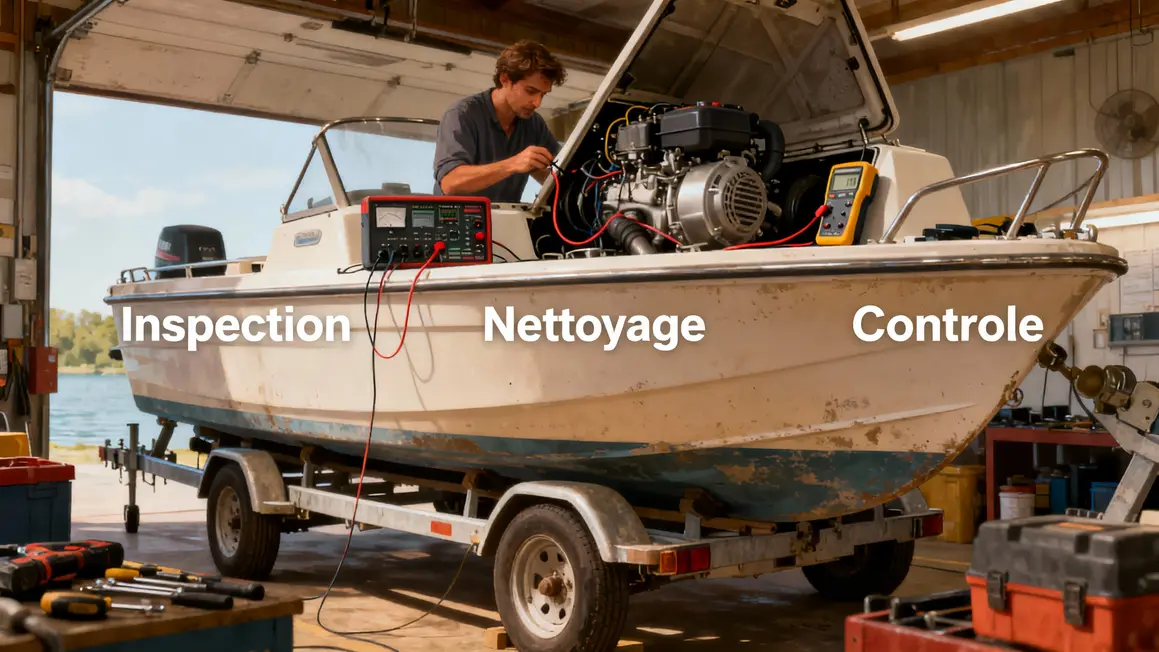
Regular maintenance extends the life of your nautical equipment and secures every exit. Materials and systems are subject to various stresses: salt, constant humidity, extreme temperatures. Neglecting these aspects exposes the hull, the engine and the electronics to corrosion, breakdowns or even sometimes costly accidents.
As far as the hull is concerned, vigilance is required in the face of marine deposits and soiling. A simple oversight can lead to infiltration or rapid degradation. Visually inspecting before and after each use prevents most problems.
- Cover : cleaning after each launch, treatment of scratches immediately
- Engine : Freshwater rinse, oil level and cooling system control
- Electronics : regular tests, moisture protection
- Trailer Checking tyres, brakes and axes after each journey
The nature of the water (soft or salty) and the season require adjustments. Fresh water promotes deposits of vase, salt water corrosion. Spring humidity or intense colds: Each period requires specific checks, especially on fasteners and fluids.
Preparation after each exit on water
After sailing, rinse the hull and mechanical parts thoroughly. Washing with marine shampoo helps quickly spot scratches or microcracks. This gesture avoids the accumulation of residues and prolongs the structure. For ropes, rinse with clear water and dry in the open air, followed by a visual check: if fibres are cut or damaged, prioritise a replacement.Safety bullet, paddles and anchors benefit from a careful rinse and direct off-sun drying. On the engine, activating the rinsing circuit is a reflex that limits internal damage. A little lubricant on hinges and axes extends the life and facilitates further maintenance.
Regular maintenance of fluids and mechanical systems
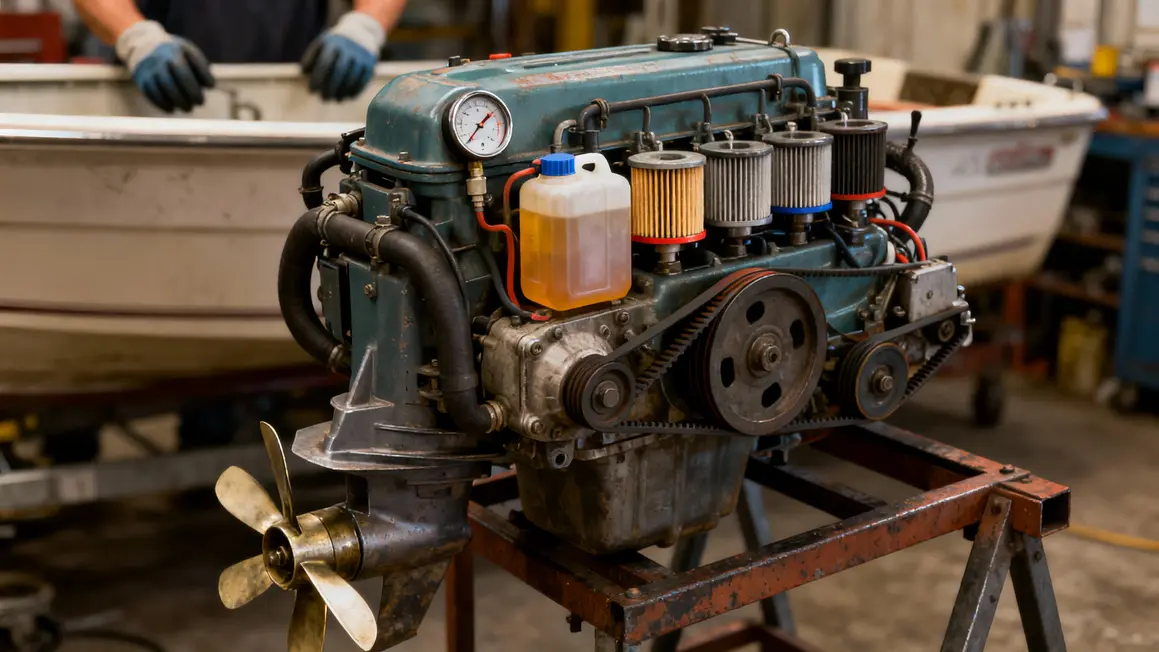
The performance of the boats depends on careful maintenance of the fluids and motor components. Check oil levels using the gauge, drain and replace according to the manufacturer's recommendations, and check the coolant reduces the risk of overheating or internal corrosion.Before handling the engine, wait for full cooling. Fuel, oil and anode filters shall be inspected at regular intervals, with replacement if necessary.
The propellers, belts, exhausts and connections also deserve special attention: no helix deformation, belt tension adjustment, seal sealing check.
To facilitate follow-up, a summary of key points is provided below:
| Item to be checked | Recommended frequency | Action required |
|---|---|---|
| Engine oil | 100 hours or 1/year | Control, discharge, replacement |
| Cooling liquid | Regular / annual | Verification and adjustment |
| Fuel/oil filters | Each discharge | Cleaning/replacement |
| Propeller | Before each navigation | Inspection/cleaning |
| Tension belts | Annual | Control/setting |
| Exhaust fittings | 2/year | Leak/wear verification |
Equipment protection before seasonal changes
As the wintering period approaches or during spring transitions, thorough cleaning is required: salt removal and dirt removal, anticorrosion wax application. For batteries, discharge and storage in a dry place at stable temperature, out of the boat if possible, limit deterioration.
Electrical connections benefit from preventive treatment with dielectric gel. Ventilation is crucial to avoid moulds: addition of moisture absorbers, control of ventilation of chests and interior parts. The use of solutions such as white vinegar or vegetable oil is convenient for economical cleaning of chromium or low-exposure metal surfaces.
Preventing wear and tear off the season allows you to anticipate the costs when the beautiful days return!
Full equipment inspection before a new season
Before the first exit of the year, each rower or owner should follow a checklist: verification and possible replacement of anodes, control of all filters (oil, fuel), testing of batteries and electrical connections, operationality of navigation lights.
- Complete engine inspection (oil, propeller, joints)
- Trailer condition (wheels, brakes, balancing, lubrication)
- Overall visual inspection of the vessel and its accessories
A rigorous maintenance before the season optimizes safety and preserves its equipment for the entire year.
Maintenance of nautical accessories and safety equipment
Safety is not solely related to the vessel itself. Life jackets, fire extinguishers, GPS or probers require verification before each season: no tearing, functional CO2 cartridges, fire extinguishers in the green area of the pressure gauge, corrosion-free connectors.
To limit the risks associated with moisture, preference should be given to storage in watertight containers and the use of moisture-resistant bags. Electronic equipment: cleaning of contacts, removal of batteries in prolonged storage, storage in their original protection.
A methodical control saves time on the first exits, while avoiding bad surprises.
Optimization and good economic practices
Preserving its budget while maintaining its equipment is possible: choosing biodegradable maintenance products to limit the environmental impact, pooling purchases (fired, grease, accessories) between clubs or rowers, planning large interviews before seasonal peaks to benefit from local promotions.
To preserve the aesthetics and durability of your boat, discover how to paint a boat hull: steps and practical tips to effectively protect the surface from external aggression.
To extend the life of your equipment, it is crucial to choose essential equipment to advance and secure your practice in Rhône-AlpesWhile adopting regular maintenance routines.
For a better understanding of manoeuvres and specific terms, see this lexicon row : all technical terms and manoeuvres explained.
Some common repairs are within reach: fixation control, ventilation system cleaning, rope change or axis check. Clubs in the Rhône-Alpes region often remain valuable relays to find reliable professionals at a cost adapted to their association or to benefit from concrete advice from the local nautical community.
- Prioritise preventive maintenance after each use: good rinsing allows more expensive operations to be spaced.
- Share expensive equipment with other clubs in the region to optimize investments.
- Keep in mind the special offers of local water companies that regularly offer services or discounts specifically for clubs.
Plan maintenance, prepare its own checklists adapted to the conditions of use and seek advice from the technicians in the sector to combine water performance, safety and cost management.
Author's profile and expertise
Marie F. has been involved for more than 10 years in the associative life in the Rhône-Alpes region, training for beginner rowers and support for volunteers on the management and maintenance of nautical equipment in local clubs. His advice is based on his field experience, in conjunction with the recommendations of federal agencies and regional nautical associations.
Adopt simple but regular maintenance routines, equip with checklists per season and share tips within its community ensure the reliability and longevity of nautical equipment. Does everyone have their own tricks or routines? Share them with the community: every feedback is important for rowers and volunteers in the region.
To deepen the subject and find additional resources, the official recommendations of the French Federation ofviron and the returns published by the regional nautical associations are real mines of reliable information.
Does this topic inspire new questions or practices? Don't hesitate to enrich our next dossiers via comments or to share this article with your club or on the networks of the Rhône-Alpes region.
Updated on 21 March 2026